The Role of Proportion in Bag Aesthetics

Great bag design isn’t just about materials or color—it’s fundamentally about proportion. The way a bag’s elements relate in size, shape, and placement creates harmony (or discord) that we instinctively feel, even if we can’t name why. In 2026, as minimalist and architectural styles dominate, understanding proportion helps explain why some bags look timelessly elegant while others feel off-balance. Personal observation: I’ve carried bags that looked stunning on the shelf but felt awkward in real life—the straps too short for my frame, or the base too wide for my torso. Over time, I’ve gravitated toward designs where the proportions just “click,” making them effortless to wear and style. Let’s explore the key principles that make proportion the silent backbone of beautiful bags.
1. The Golden Ratio: Nature’s Blueprint for Harmony
The golden ratio (approximately 1:1.618) appears everywhere in art and nature, creating pleasing, balanced compositions.
In bags:
- Handle drop length to body height.
- Width to height ratios in structured totes or clutches.
- Hardware placement (e.g., buckles dividing panels).
Bags following this feel instinctively “right.”s.
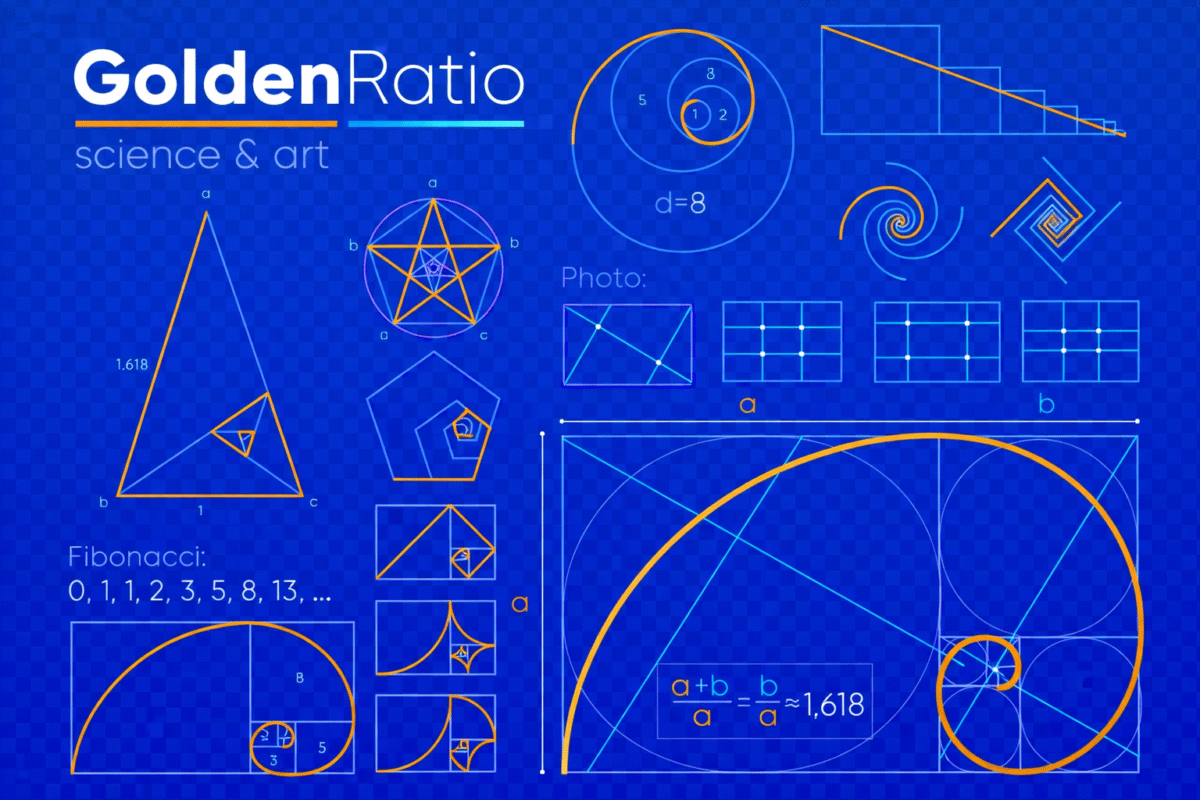
(Golden ratio overlay example—adaptable to bag panels or silhouettes)
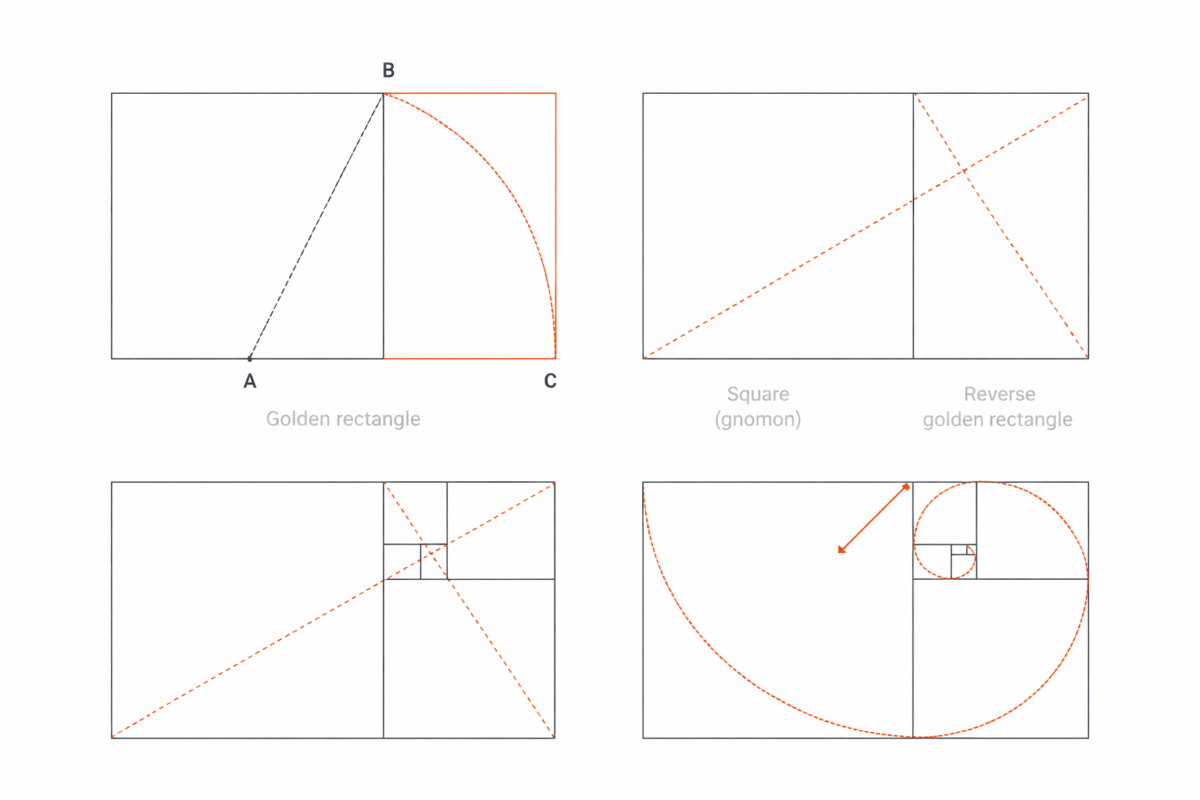
(Another clean golden ratio template for design harmony)
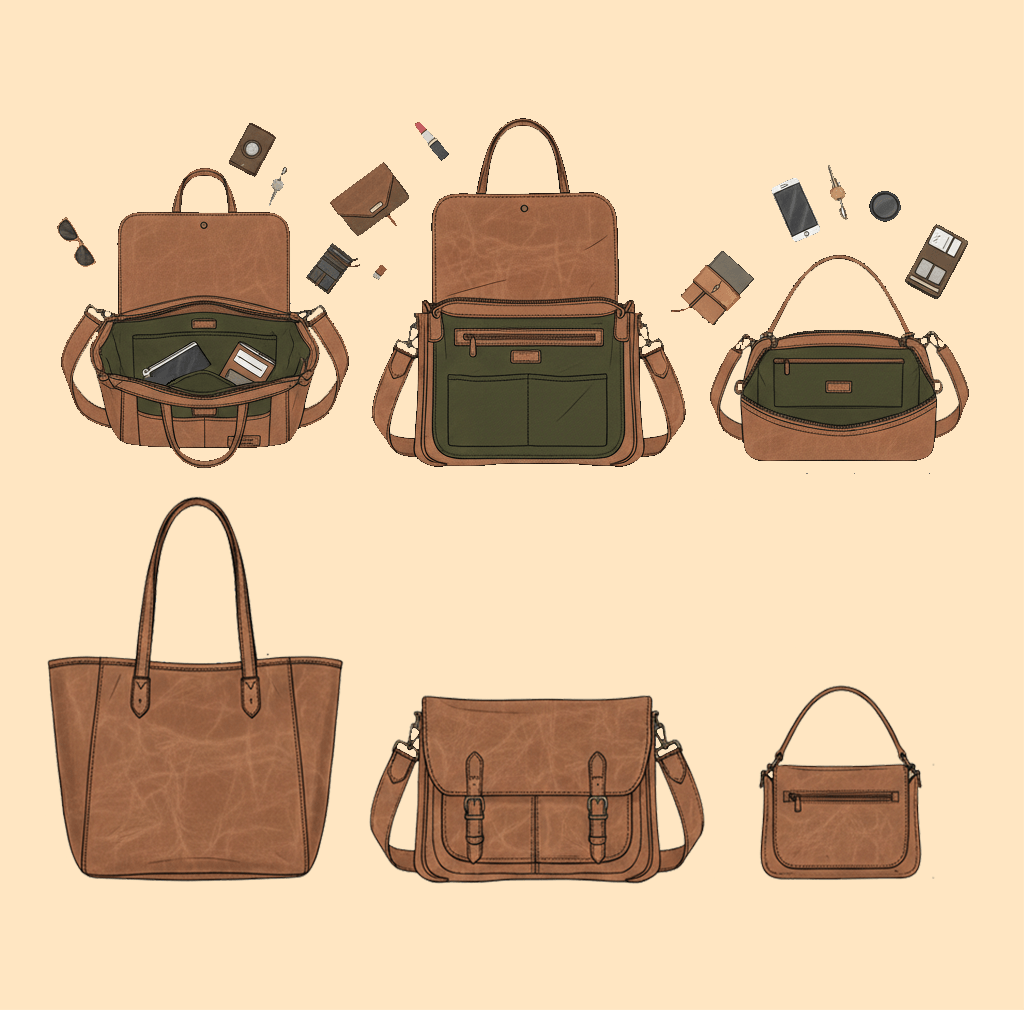
2. Silhouette Balance: Height, Width, and Depth
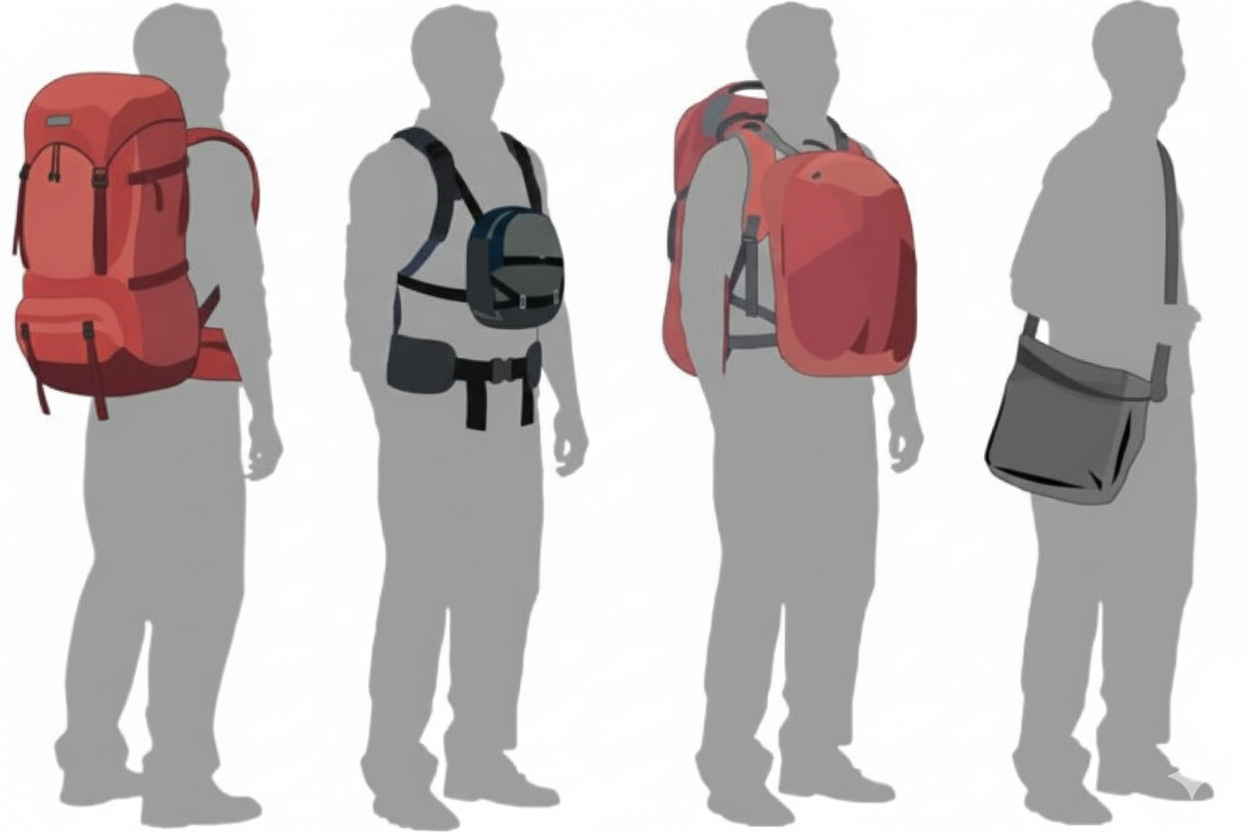
A bag’s overall shape dictates how it interacts with your body.
- Tall & Narrow (e.g., classic doctor bags): Elongates the figure; great for petite frames.
- Wide & Short (e.g., oversized totes): Grounds the look; suits taller builds.
- Square or Rectangular: Versatile but needs precise ratios to avoid boxiness.
Depth matters too—too bulky disrupts flow, while slim profiles enhance sleekness.
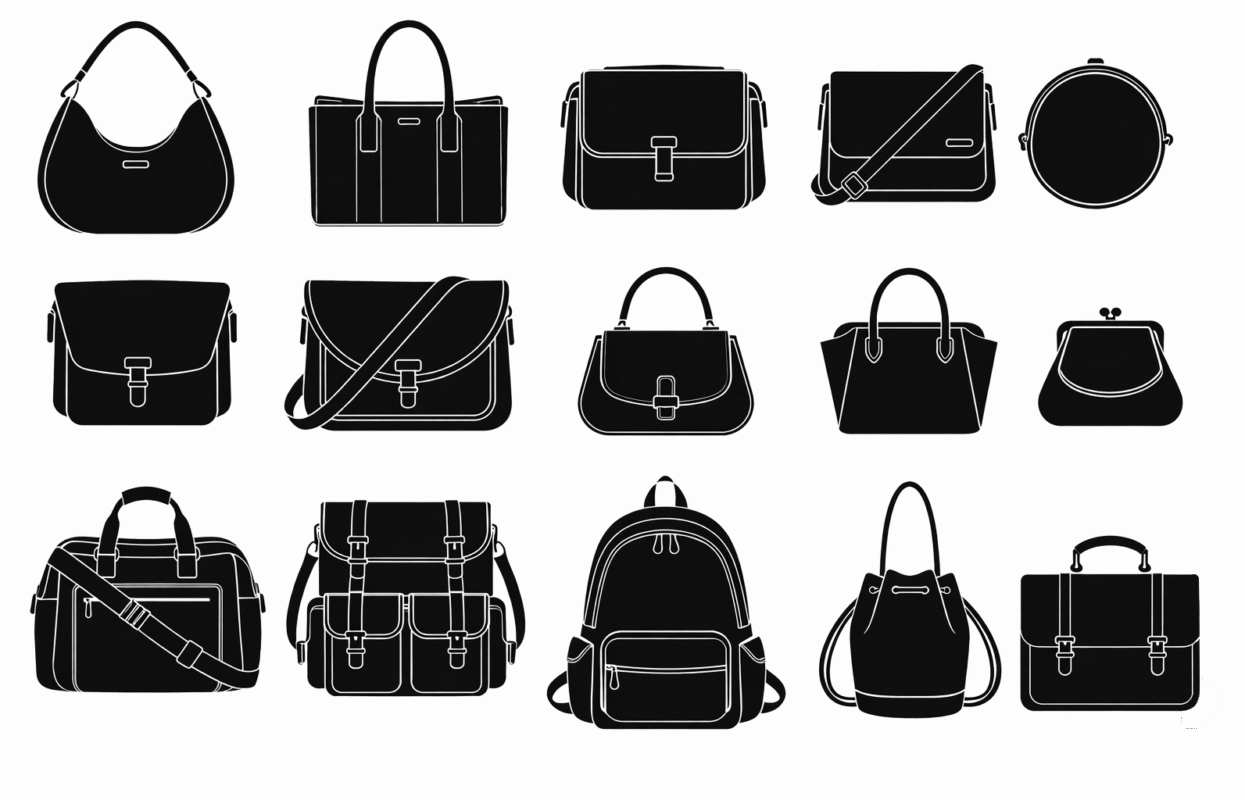
(Tote design ideas highlighting balanced proportions across shapes)
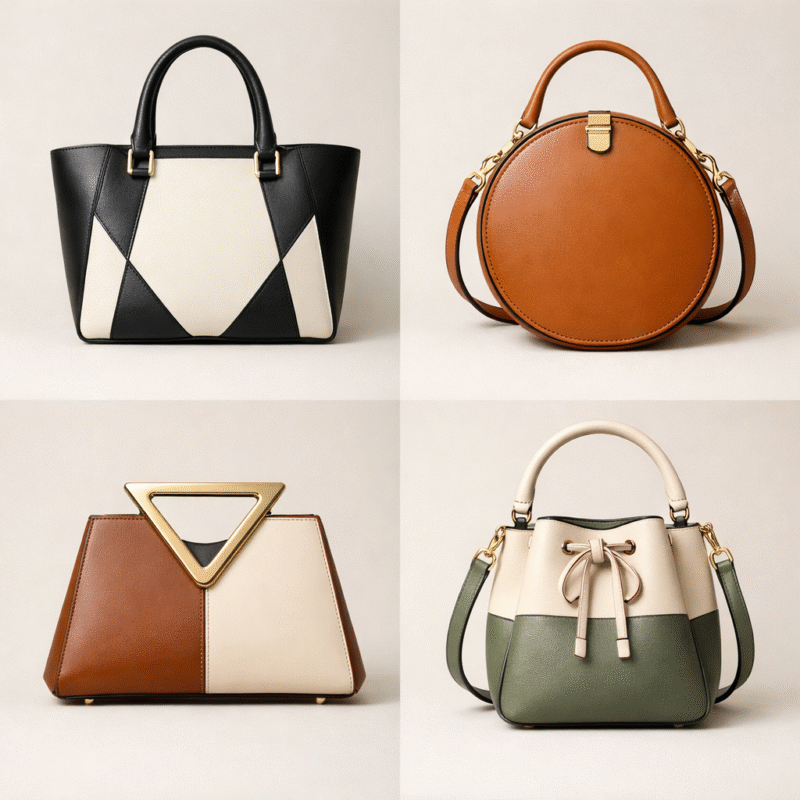
(Trending purse shapes demonstrating strong proportional aesthetics)
3. Strap and Handle Proportions
These connect bag to body—get them wrong, and comfort suffers.
- Drop length should align with your natural arm bend or hip line.
- Width relative to bag body: Thin straps on heavy bags look fragile; thick ones on minis overwhelm.
- Crossbody straps ideally hit at hip level for balanced weight distribution.
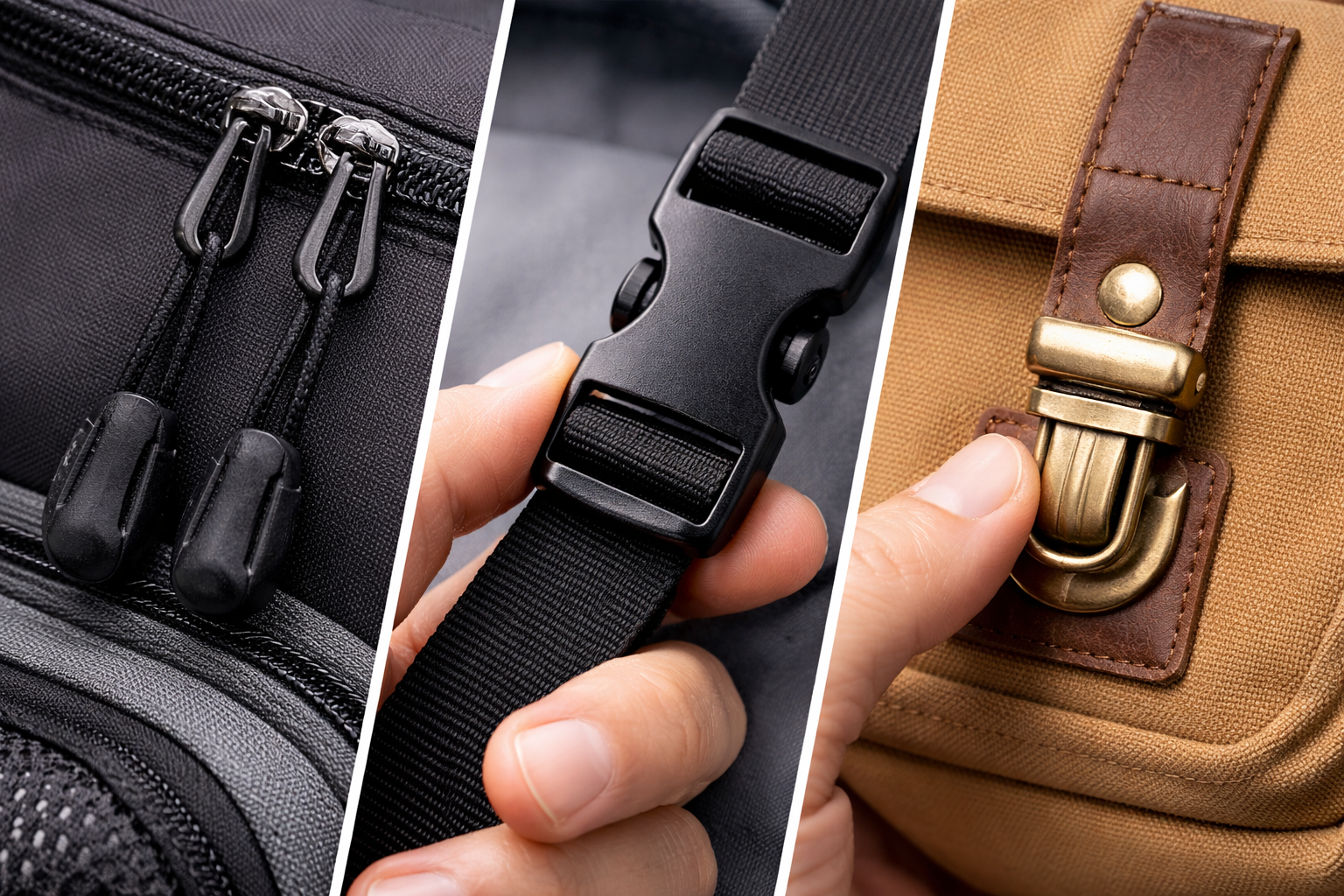
4. Hardware and Detail Scaling
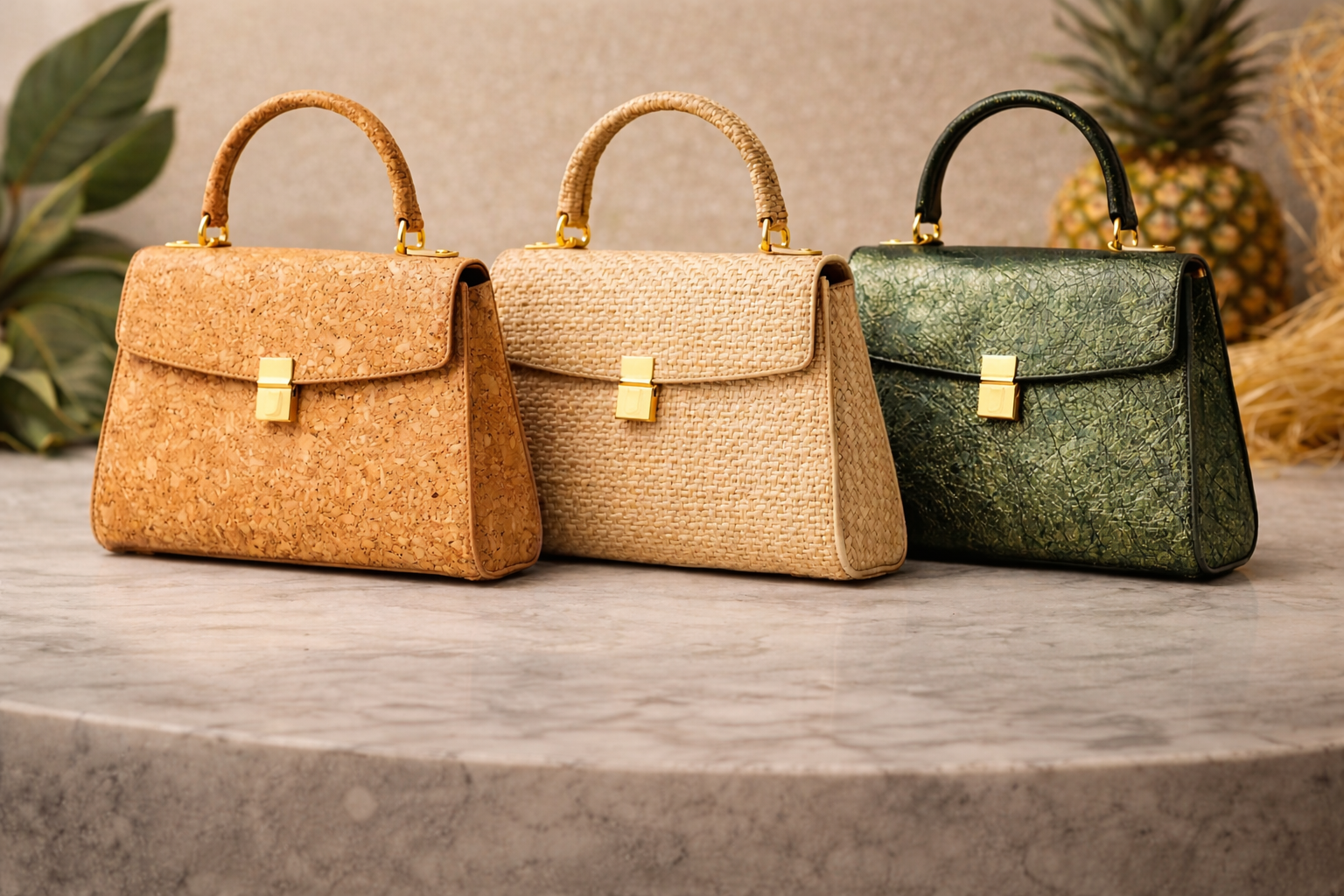
Logos, buckles, and zippers must match the bag’s scale.
- Oversized hardware on small bags = playful statement.
- Tiny details on large totes = lost elegance.
5. Common Proportion Pitfalls (And How to Avoid Them)
- Too Wide Base: Makes the bag sag and look bottom-heavy.
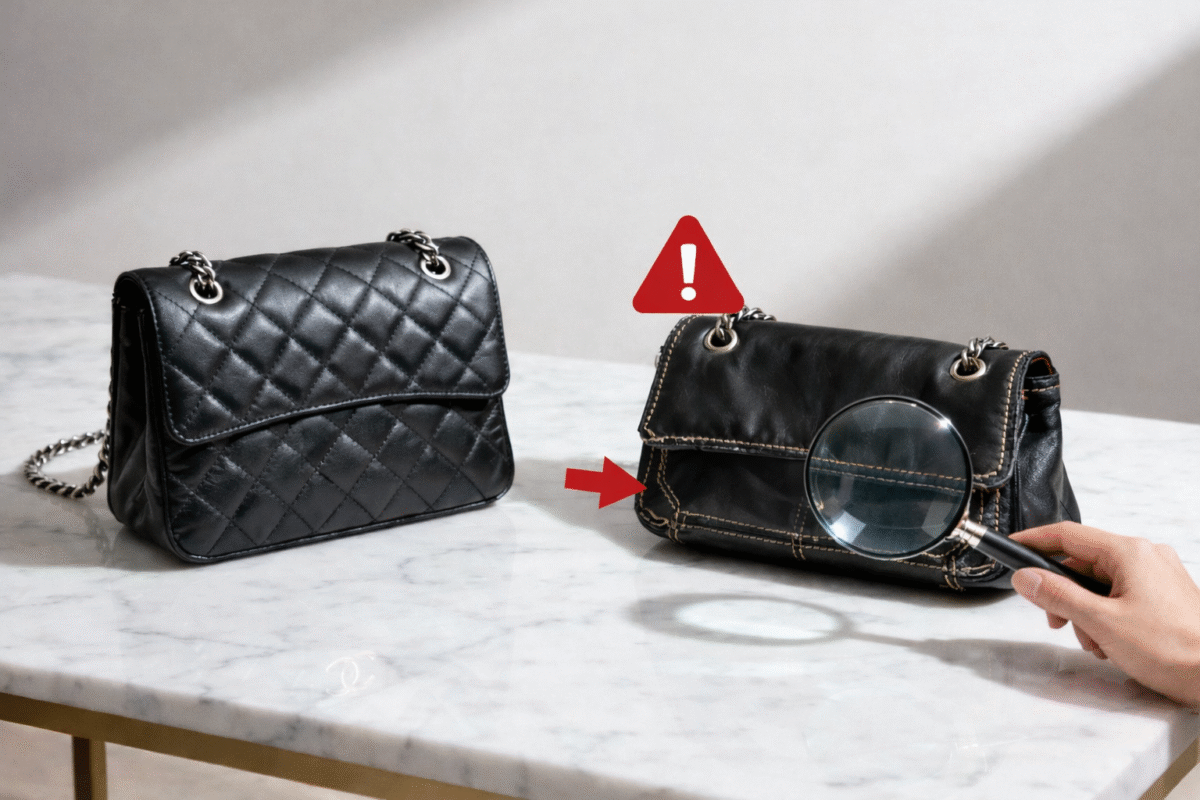
(Example of imbalanced proportions often seen in lower-quality designs)
- Disproportionate Straps: Too long/short throws off the entire silhouette.
- Overloaded Details: Breaks visual harmony.
Pro Tip: Use the Rule of Thirds
When styling or photographing bags, place key elements (handles, logos) along imaginary thirds lines for dynamic appeal.
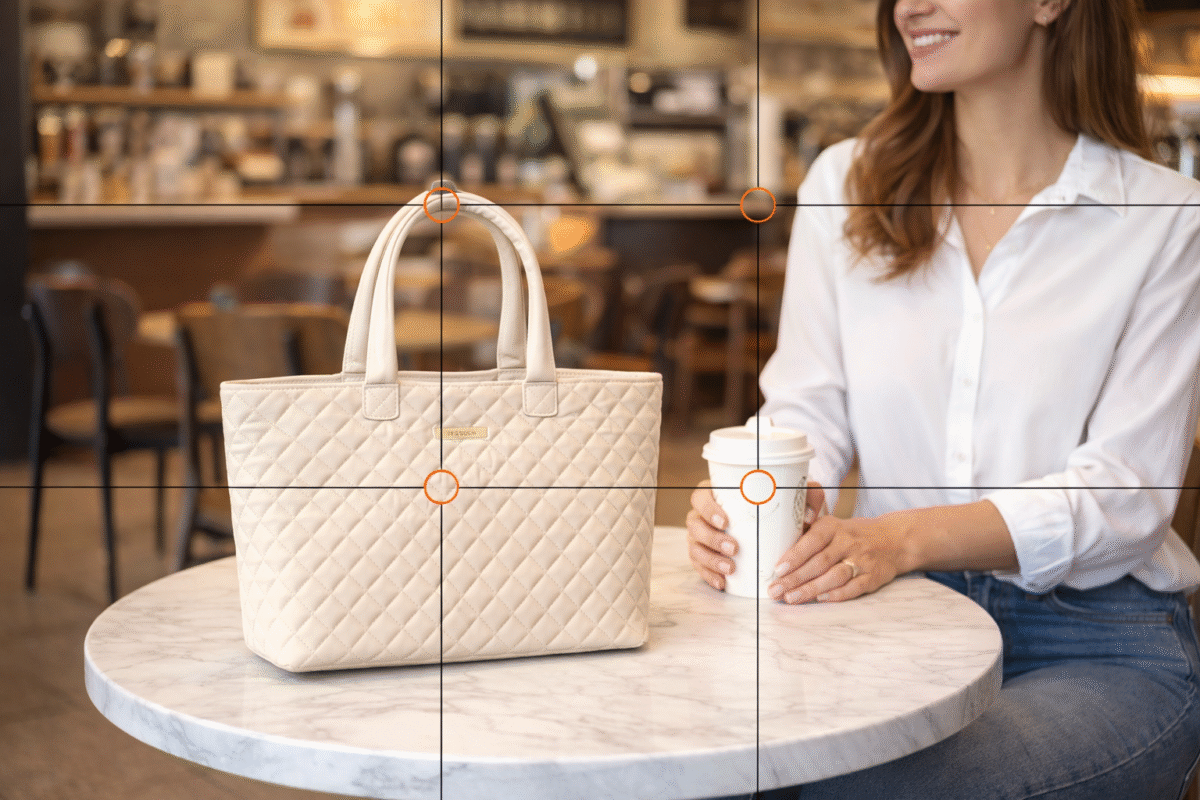
(Rule of thirds applied in fashion composition)

(Professional example breaking down rule of thirds in photography)
Conclusion: Proportion as the Ultimate Elegance
Masterful proportion turns a good bag into an iconic one—creating visual balance that feels effortless and flattering. Next time you shop, step back and assess the ratios: Does it harmonize? Your eye (and wardrobe) will thank you.
What’s a bag in your collection with perfect proportions? Or one that missed the mark? Share below—let’s discuss!