How Bag Strap Design Affects Comfort and Posture Over Long Wear

We’ve all felt it: that nagging shoulder ache after a long commute, a stiff neck from traveling, or even a pinched nerve from hauling a heavy tote. Too often, we blame the bag’s weight—but the real issue is usually the strap connecting us to it. A quick personal story: Last year, I switched to a backpack with properly contoured straps for my daily bike commute, and it completely eliminated the upper back tension I’d dealt with for months. It was a game-changer that made me realize how much thoughtful strap design matters. As we carry more items for longer periods in our busy lives, strap design has become a key part of ergonomic science. A bad strap doesn’t just cause temporary discomfort—it can lead to chronic pain and poor posture over time. Here’s how to understand and choose straps that support your body instead of straining it.
The Anatomy of Discomfort: How Poor Straps Strain the Body
A strap acts as the interface between a distributed load (the bag) and specific pressure points on your body (shoulder, neck, back). Poor design creates high, localized pressure, forcing your muscles to work overtime to stabilize the load. This can lead to:
- Shoulder and Neck Strain: The trapezius muscle becomes overworked, leading to tension headaches and stiffness.
- Poor Posture: You may subconsciously hike your shoulder or lean to one side to compensate, misaligning your spine.
- Nerve Compression: Narrow straps can press on the brachial plexus nerves, causing tingling or numbness in the arm.
- Skin Irritation: Chafing and sweat buildup occur with non-breathable materials.
Breaking Down Strap Types: From Basic to Ergonomic
Not all straps are created equal. The right choice depends on the bag’s load and use case.
1. Padded vs. Unpadded
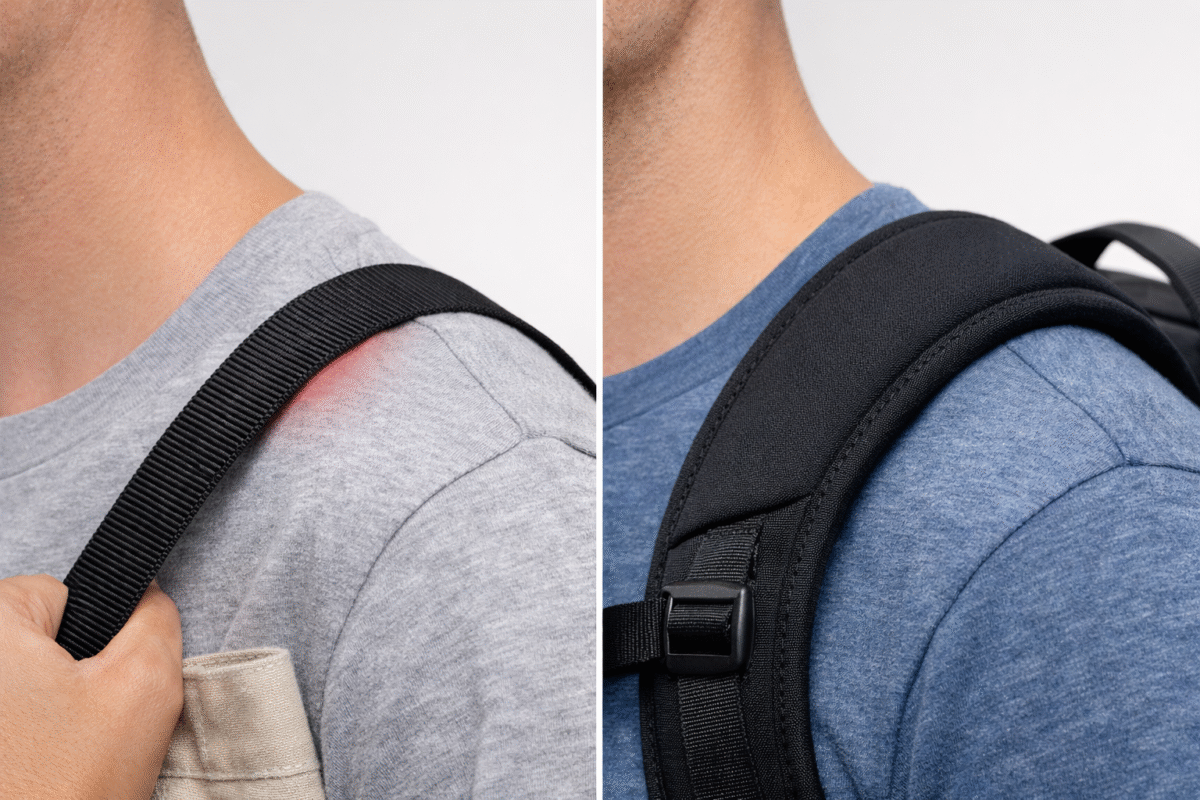
- Unpadded (Flat Webbing): Common on lightweight daypacks and totes. Suitable for very light loads (< 5 lbs). With anything heavier, pressure becomes concentrated on a thin line.
- Padded: Essential for any bag meant to carry weight. Padding distributes pressure over a wider area. Look for contoured padding that’s thicker in the center and tapers at the edges to follow your shoulder’s shape.
2. Width Matters
- Narrow (≤1″): Fashion-focused, but dig in painfully under load. Avoid for anything but the lightest evening bags.
- Standard (1.5″): A good all-rounder for crossbodies and medium-load daypacks.
- Wide (2″+): The gold standard for backpacks, travel bags, or any heavy carry. Maximizes surface area for pressure distribution.
3. Adjustability is Non-Negotiable
- Fixed Length: Offers a clean look but almost guarantees a poor fit. Your body and clothing layers change; your strap should too.
- Adjustable: Allows you to position the bag correctly on your body. For crossbodies, the bag should sit on your hip or ribcage, not swing at your thigh. For single-strap bags, shorter is usually better to minimize swing and pull.
Materials & Construction: The Hidden Layers of Comfort
What’s inside and on the surface of the strap makes a dramatic difference.
- Padding Foam Types:
- Memory Foam: Molds to your shape but can retain heat.”
- EVA Foam: Lightweight, resilient, and commonly used. Look for higher-density EVA for better support.
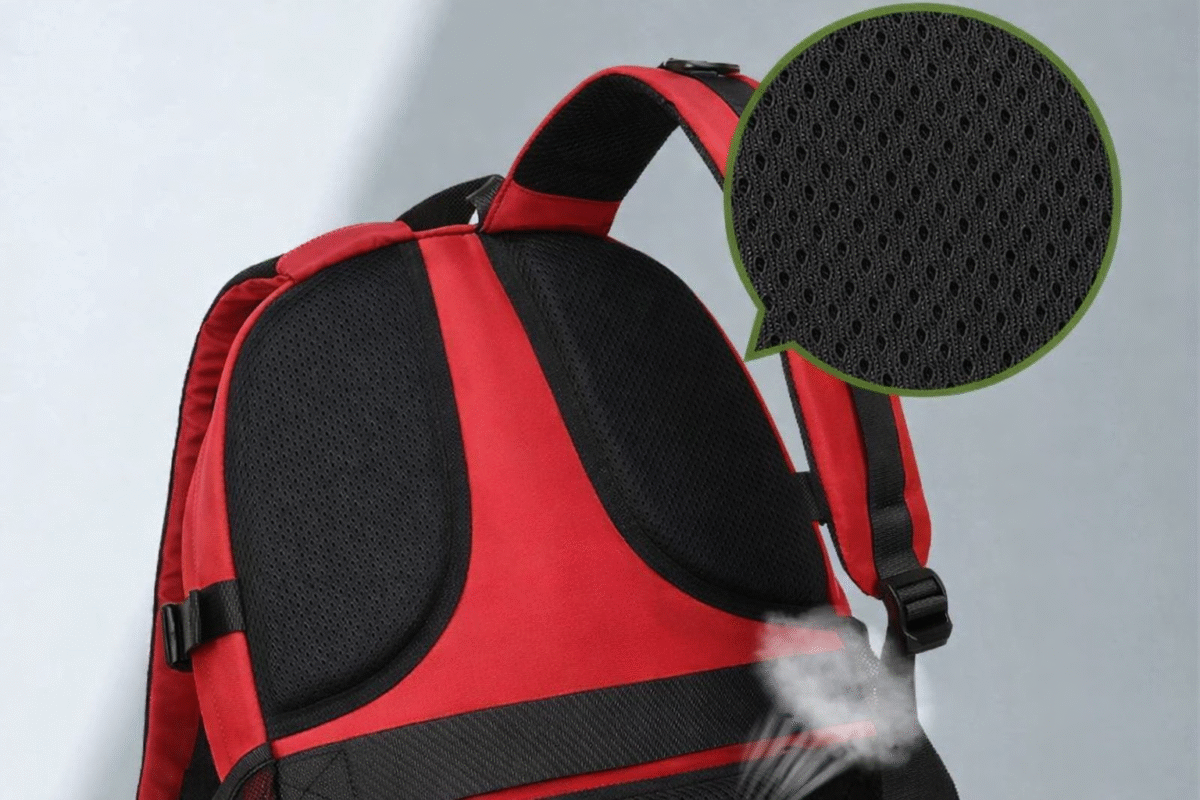
- Mesh-Channel Foam: Incorporates 3D air mesh into the foam itself for unparalleled breathability (common in hiking packs).
- Breathable Fabrics: The backing against your shoulder should be a perforated or air-mesh material to wick sweat. Avoid non-porous vinyl or plastic-backed fabrics.
- The Anti-Slip Advantage: A subtle silicone print or rubberized pattern on the underside of the strap prevents it from constantly sliding off your shoulder—a small feature that saves enormous frustration and muscle energy.
Best Practices by Bag Style
Match the strap to the bag’s intended use.
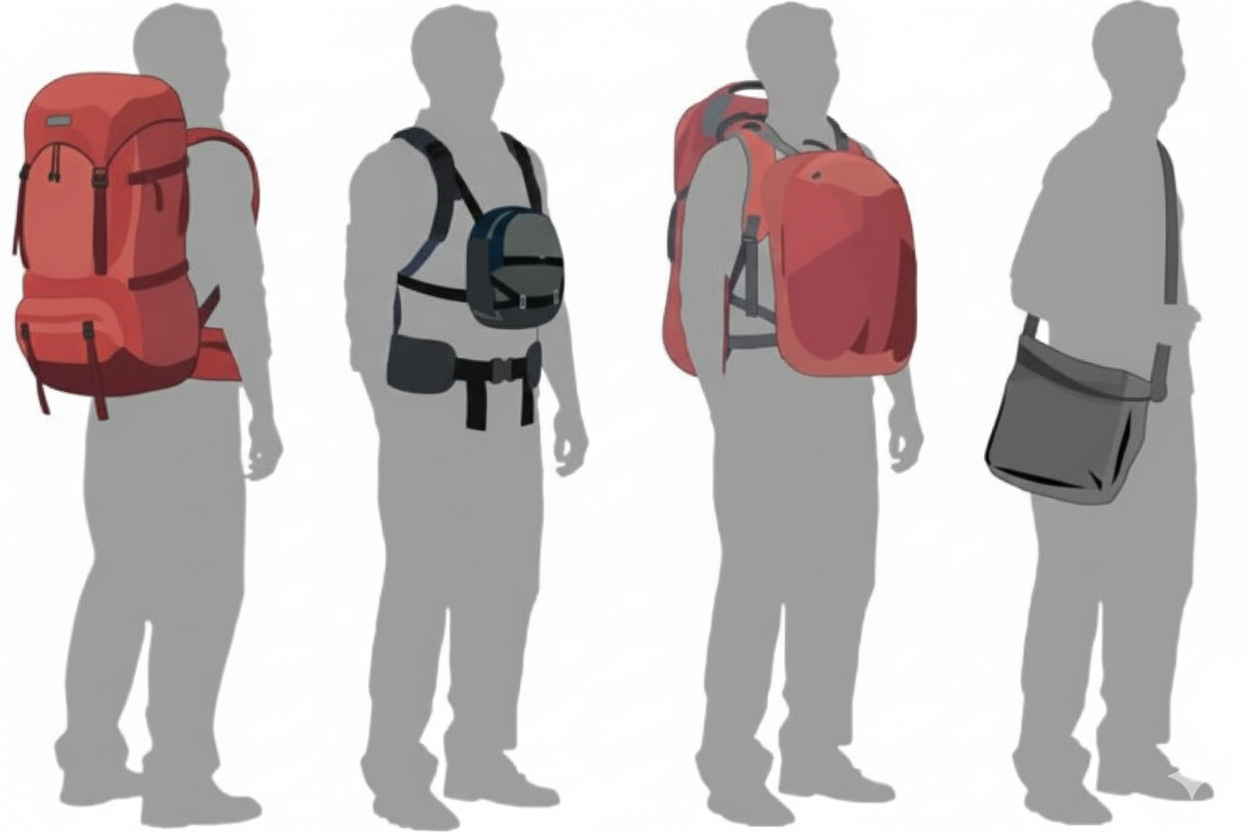
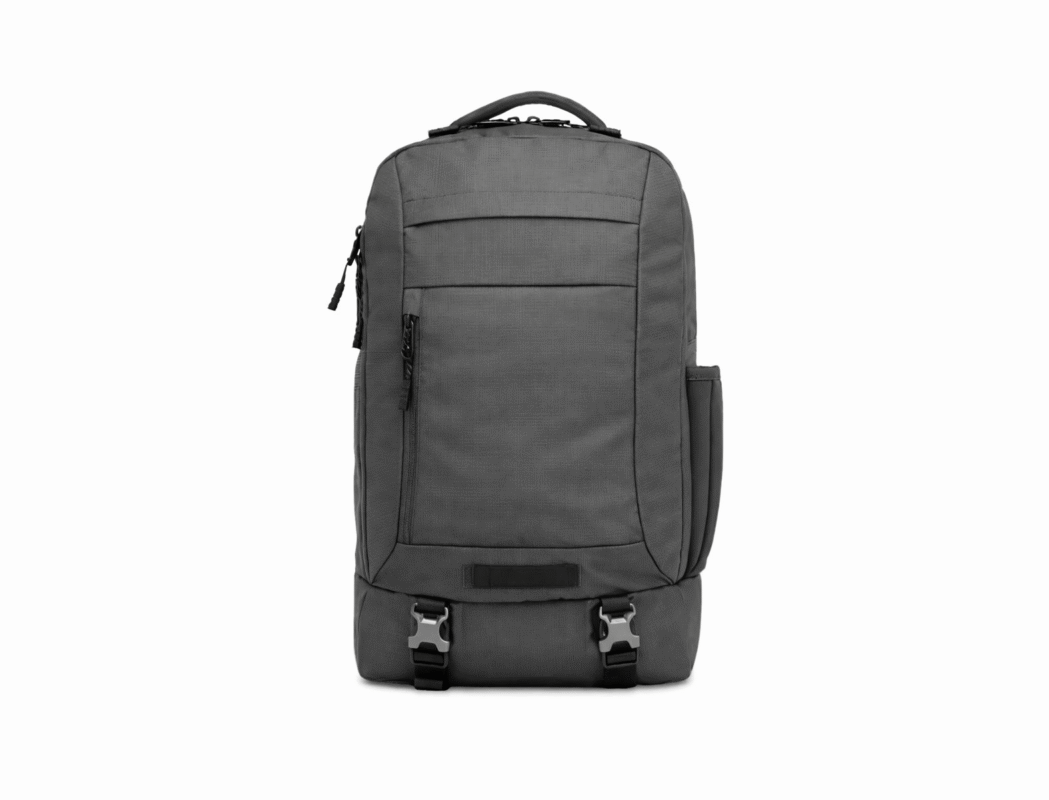
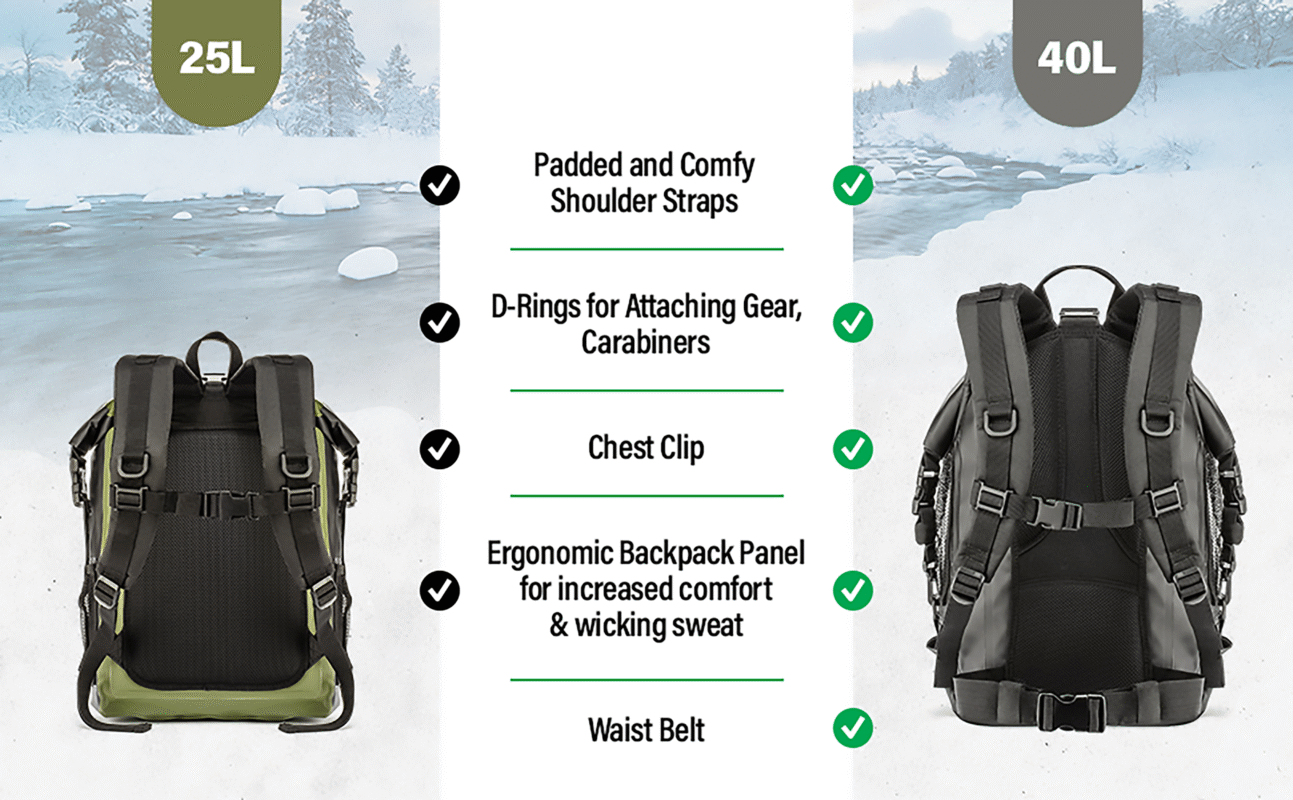
- Backpacks: Wide, padded, contoured straps are mandatory. They should connect to the bag well below the top, forming a “V” shape to pull the load inward and upward. A sternum strap is a game-changer for stability.
- Crossbody Bags: Look for a medium-width, adjustable strap with a comfortable backing. Ensure the attachment points are reinforced. The strap should swivel freely to lay flat.
- Totes & Shoulder Bags: This is where most fail. A thin strap will cut into you. Seek out totes with wide, padded straps or consider a convertible model that allows you to add a wider strap.
- Messenger Bags: Must have a wide, heavily padded strap with a stabilizer strap (a small connecting strap on the back) to prevent the bag from swinging around your body when moving.
Quick Fixes & Posture Tips for Immediate Relief
If you’re stuck with a less-than-ideal strap:
- Use a Strap Pad: A standalone padded sleeve can be slipped over any strap for instant relief.
- Shorten the Strap: Keep a single-strap bag as high and tight as is comfortable to minimize pendulum effect.
- Switch Shoulders Frequently: Don’t let your body adapt to asymmetry. Make a conscious habit to switch sides every 20-30 minutes.
- Engage Your Core: Stand tall. A strong core helps stabilize your torso, preventing you from hunching under the weight.
- The 10% Rule: As a general guideline, try not to carry more than 10% of your body weight in a single-shoulder bag.
Conclusion: The Unseen Foundation of Usable Design
A strap is the most intimate point of contact between you and your bag. Its design determines not just comfort, but your physical well-being over hours of wear. The evolution from a simple carrying loop to an ergonomically engineered body interface represents a profound shift in design philosophy—from bags as objects to bags as partners in movement.
Investing in a bag with a thoughtfully designed strap is an investment in your daily comfort and long-term posture. It transforms a functional accessory into a truly usable tool that you can rely on, mile after mile and year after year. In the end, the best bag is the one you don’t feel you’re carrying at all.
What’s the most comfortable bag strap you’ve ever used? Was it on a backpack, crossbody, or something else? Share your discoveries in the comments to help others find their perfect, pain-free carry.