Leather vs Vegan Bags: A Detailed Comparison for Conscious Shoppers

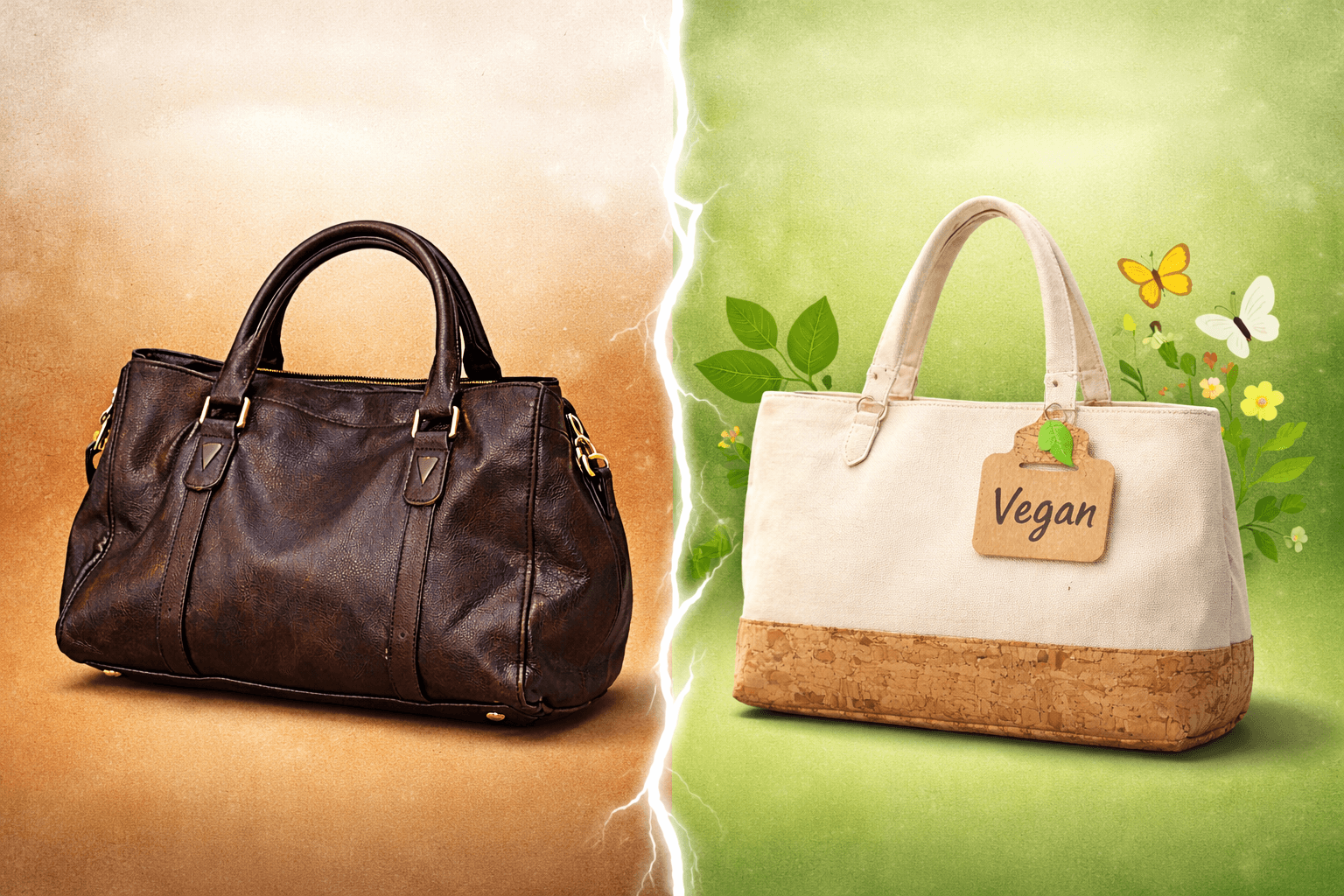
In today’s world, choosing a bag goes beyond style and functionality—it reflects your ethics, environmental values, and lifestyle. The debate between traditional leather and modern vegan alternatives is complex, with strong points on both sides. This balanced guide cuts through the hype to help you decide what truly aligns with your principles. Personal take: I’ve owned beautiful full-grain leather bags that have developed an incredible patina over years of daily use, becoming more unique with every scratch. But I’ve also switched to a Piñatex crossbody for travel—it’s lightweight, cruelty-free, and sparks conversations everywhere. Both have their place, depending on what matters most to you. Let’s break it down fairly and factually.
Part 1: Understanding the Core Materials
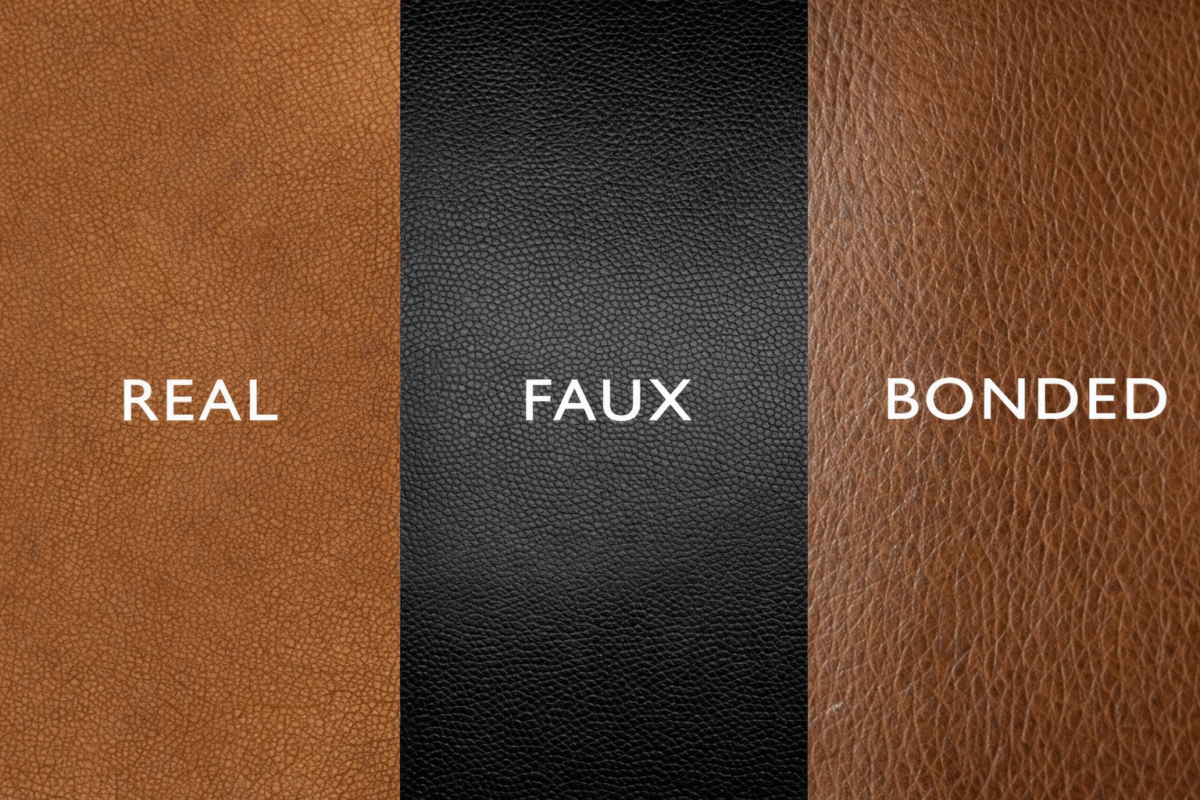
Traditional Leather
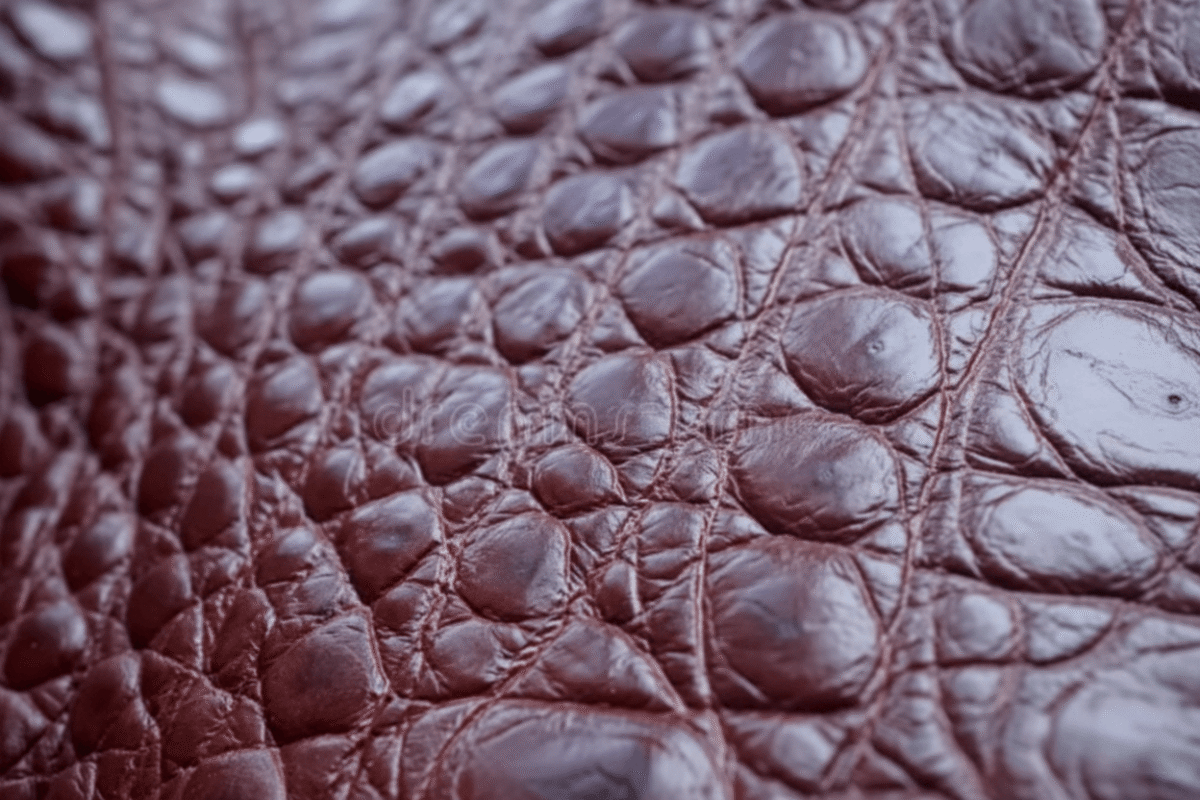
Made from tanned animal hides (mostly cattle), quality varies hugely.
- Full-Grain & Top-Grain: Premium options. Full-grain keeps the natural surface for that signature patina; top-grain is refined for uniformity.
- Genuine/Bonded Leather: Lower tiers—often coated splits or glued fibers.
Vegan Alternatives (Better Term: Non-Animal Materials)
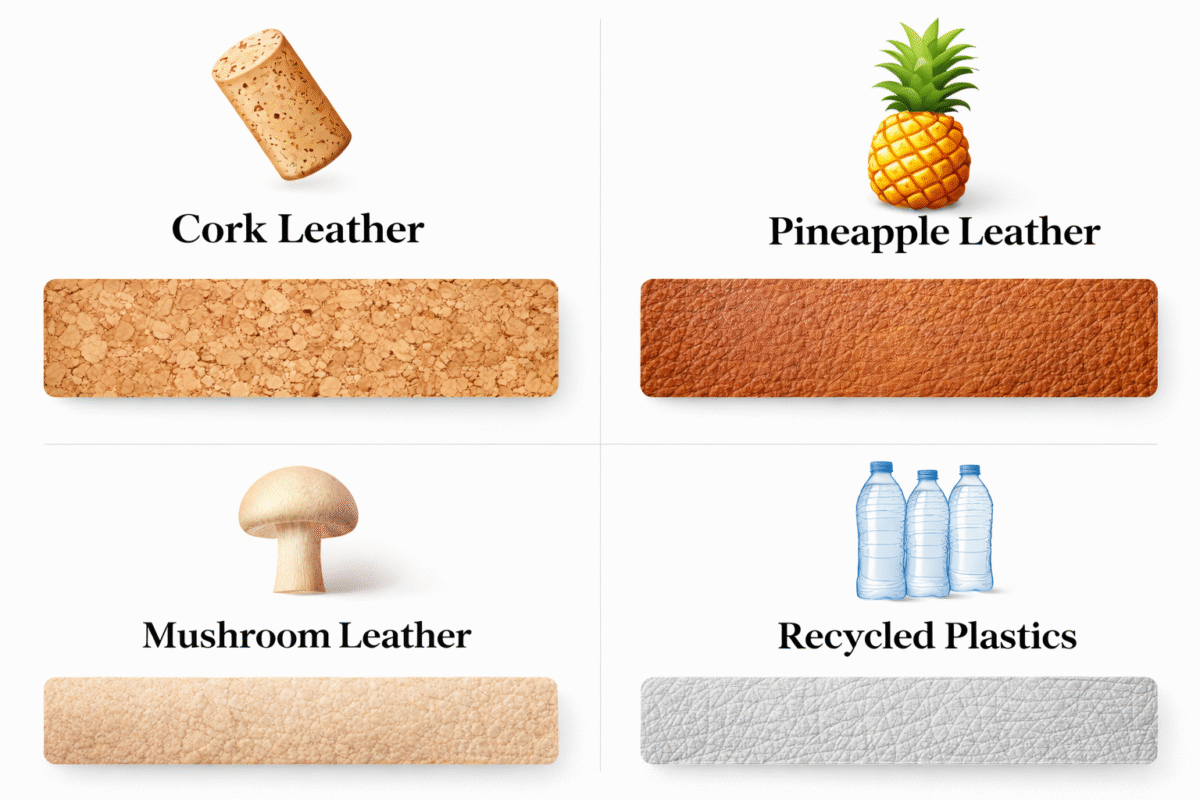
Any leather-like material without animal products. Impact depends on the type.
- PU & PVC (Plastic-Based): Petroleum-derived, common in affordable bags.
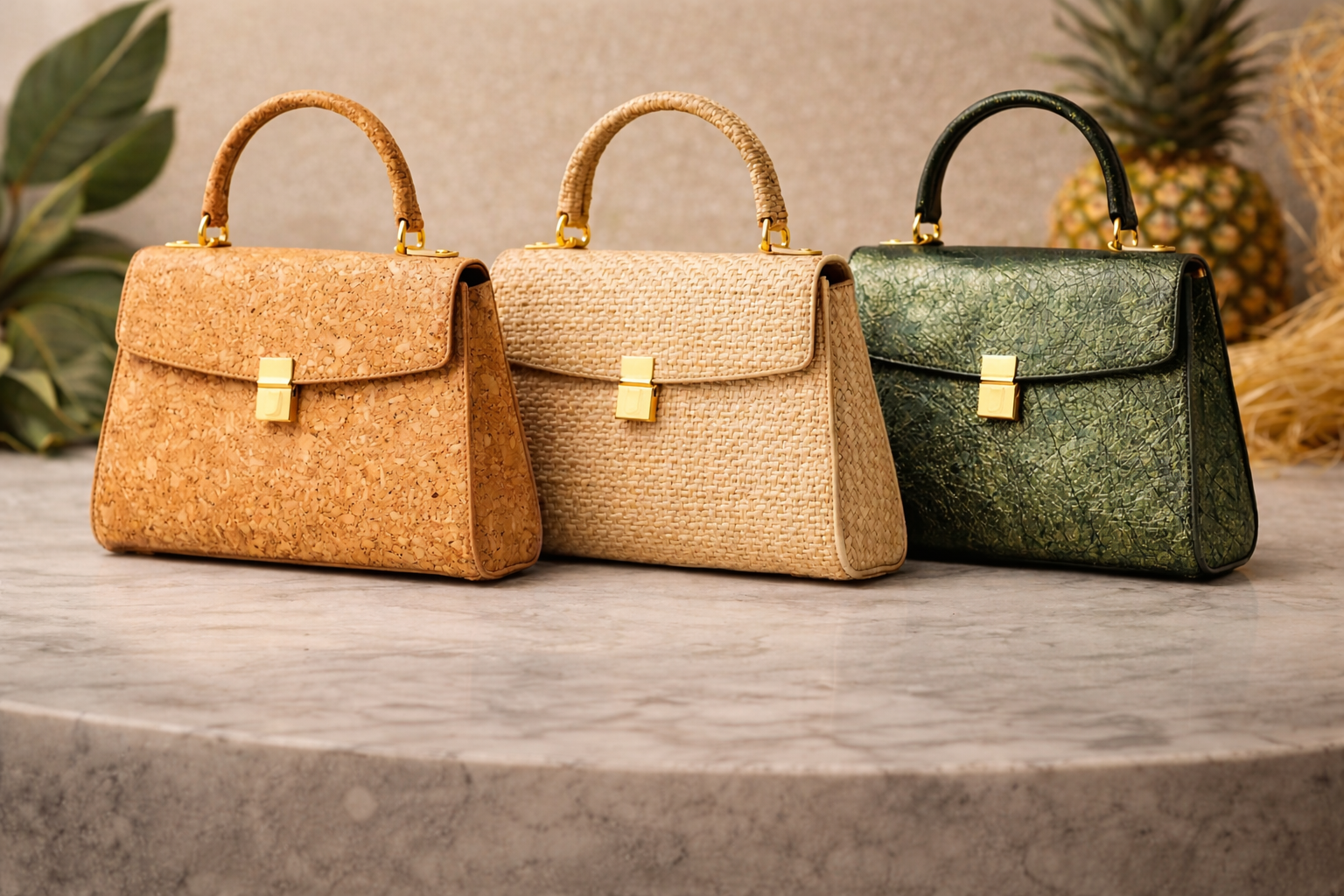
- Bio-Based Innovations: Game-changers like Piñatex (pineapple leaves), apple leather, mushroom mycelium, cork, and cactus leather—often using waste products.
- Recycled Options: From post-consumer plastics or fabrics.
Part 2: Head-to-Head Comparison
| Aspect | Traditional Leather (High-Quality) | Vegan Leather (Plastic-Based: PU/PVC) | Vegan Leather (Innovative Bio-Based) |
|---|---|---|---|
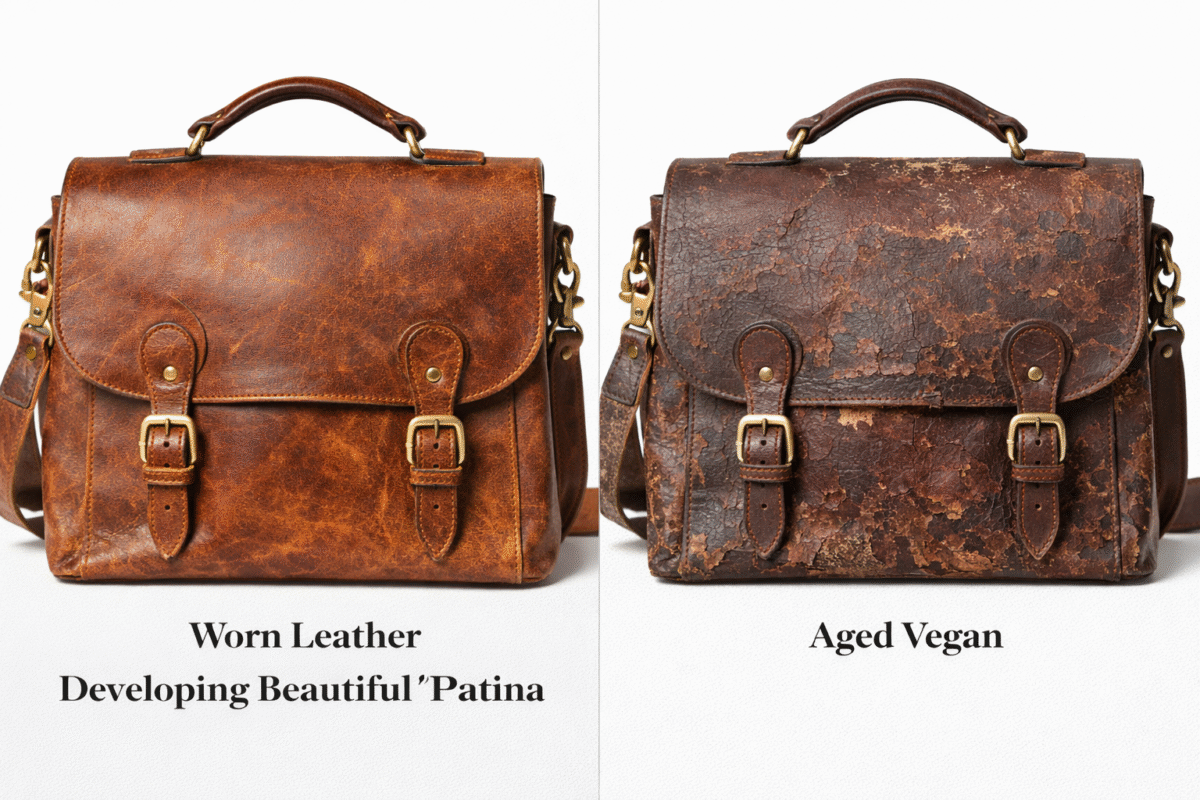
| Durability & Longevity | Excellent. Ages gracefully, develops a patina, and can last decades with proper care. Scratches can add character. | Poor to Fair. Prone to cracking, peeling, and discoloration within a few years. Does not age well. | Variable, Improving. Generally less durable than animal leather but better than PU/PVC. Performance depends on the specific blend and brand. |
| Environmental Impact | Complex & High. Resource-intensive (land, water, feed). Livestock is a major methane source. Tanning often uses toxic chemicals (chromium) unless labeled “vegetable-tanned.” Biodegradable at end-of-life. | High & Linear. Relies on fossil fuels, generates microplastics, and is rarely recyclable. Ends up in landfill where it does not biodegrade. | Lower & Circular (Goal). Uses agricultural waste/byproducts, less water. Impact depends on the bio-binder used and end-of-life options. Some are compostable. |
| Aesthetic & Feel | Unique, Luxurious, Natural. Warm, supple, and varies from piece to piece. Smells distinctively of leather. | Uniform, Synthetic. Can feel cold, plastic-like, and have a chemical smell. Often perfectly uniform. | Textured, Natural Variance. Often has unique, interesting textures (e.g., pineapple fiber grain). Strives to mimic leather’s feel. |
| Care & Maintenance | Requires conditioning and protection from moisture. Care extends life significantly. | Easy to wipe clean, but cannot be repaired once the coating cracks. | Follow specific brand instructions. Often just wipe clean. Generally less maintenance than leather. |
| Ethical Considerations | Directly linked to the livestock industry. Concerns over animal welfare and industrial farming practices. | No animal involvement. Major concerns shift to petroleum industry ethics, chemical pollution, and worker safety in production. | No animal involvement. Focus on ethical sourcing of plant materials and fair labor practices in developing new supply chains. |
| Price Point | High initial investment, but cost-per-use over time can be low due to longevity. | Very low initial cost, but frequent replacement increases long-term cost and waste. | Moderate to High. Reflects R&D costs and smaller-scale production. Price is expected to drop as technology scales. |
Part 3: Key Considerations for Your Choice
Choose High-Quality Leather If:
- You value heirloom durability and the beauty of natural aging.
- You’re okay with animal by-products (ideally from ethical, vegetable-tanned sources).
- Long-term cost-per-use and repairability are priorities.
Choose Innovative Bio-Based Vegan If:
- Avoiding animal products is non-negotiable.
- You want to support cutting-edge sustainable innovations.
- Unique plant-based textures excite you.
Steer Clear of Plastic-Based “Vegan” (PU/PVC) If:
- True sustainability matters—these often contribute to microplastic pollution and don’t biodegrade.
Part 4: The Verdict: It’s Personal
No one-size-fits-all winner. High-quality leather can have a lower lifetime impact if it lasts decades, while bio-based vegans reduce animal harm and resource use upfront. The greenest option? Buy secondhand, choose repairable quality, and support transparent brands—regardless of material.
Conclusion: Think Holistically
Move beyond “leather or vegan” to deeper questions: sourcing, longevity, repair, and end-of-life. That’s how conscious shopping makes real change.
What’s your go-to—timeless leather, innovative plants, or vintage finds? Share your experiences (and favorite bags!) in the comments.