Sustainable Materials Revolution in Bag Design: Beyond Leather and Canvas

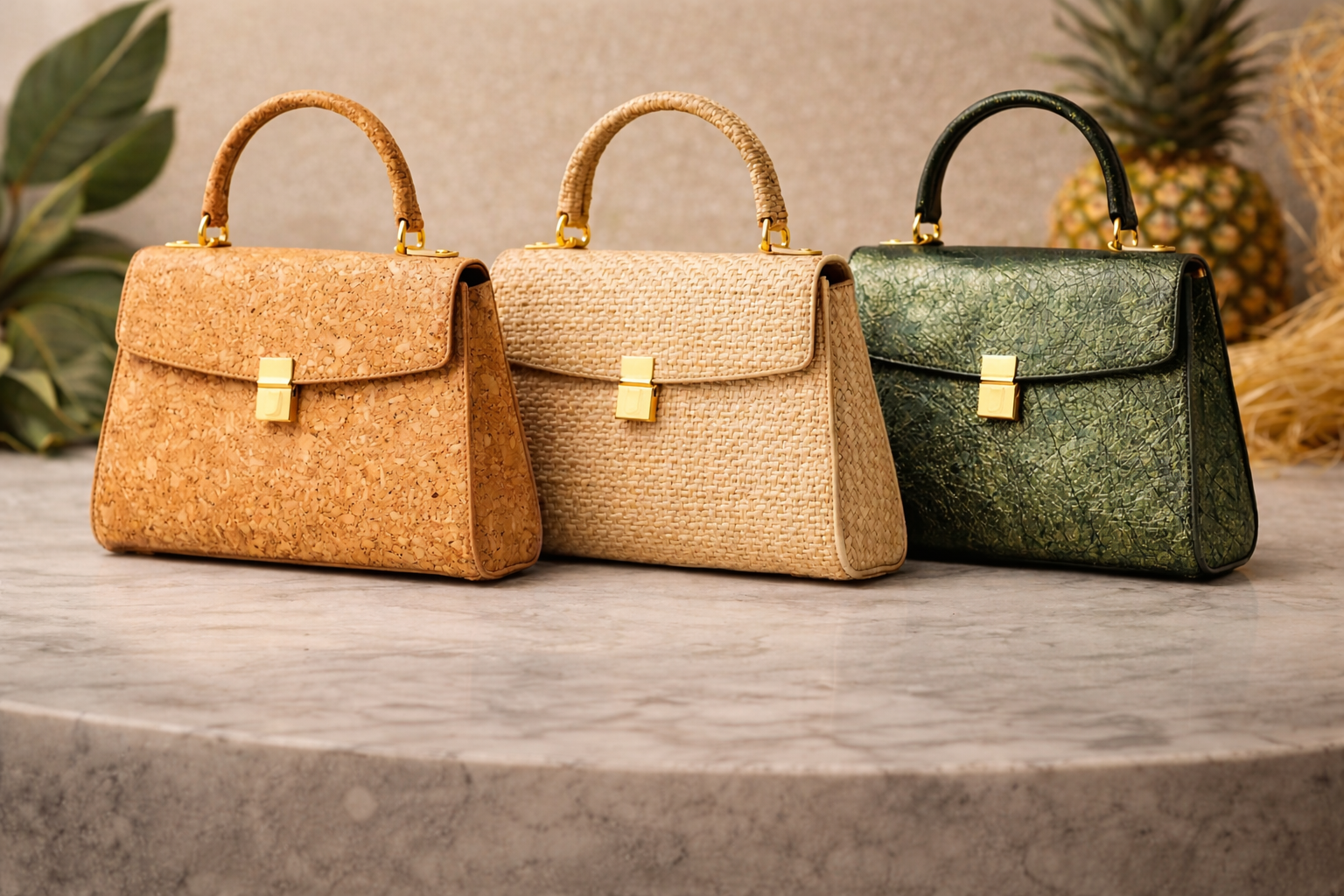
In 2026, sustainable fashion isn’t just a trend—it’s an expectation. This shift is especially exciting in bag design, where innovative materials are pushing boundaries far beyond traditional leather and canvas. Today’s consumers want bags that are durable, stylish, and aligned with their values: transparency, reduced waste, and lower environmental impact. Personal insight: A couple of years ago, I switched to a cork wallet after learning about its renewable harvesting process. Not only does it look better with age (developing a rich patina), but knowing it didn’t harm animals or deplete resources makes me appreciate it even more every time I use it. These new materials aren’t mere replacements—they often outperform the classics in unique ways. Let’s dive into why the change was needed and explore the groundbreaking options reshaping the industry.
The Limits of Tradition: Why Change Was Inevitable
Leather and canvas have dominated for generations, but their downsides are hard to ignore in today’s world.
- Leather: Highly durable, but its production involves heavy water use, chemical tanning pollution, methane emissions from livestock, and ethical concerns around animal welfare.
- Conventional Canvas: Made from virgin cotton, which demands massive amounts of water and pesticides during growth. It’s biodegradable, but the upfront environmental cost is steep.
The new wave aims to deliver better performance with a fraction of the harm.
Spotlight on Innovation: The New Material Library
Here’s a look at some standout alternatives gaining traction among designers.
1. Cork
Harvested from cork oak trees (the bark regrows every 9 years), it’s truly renewable and sustainable.
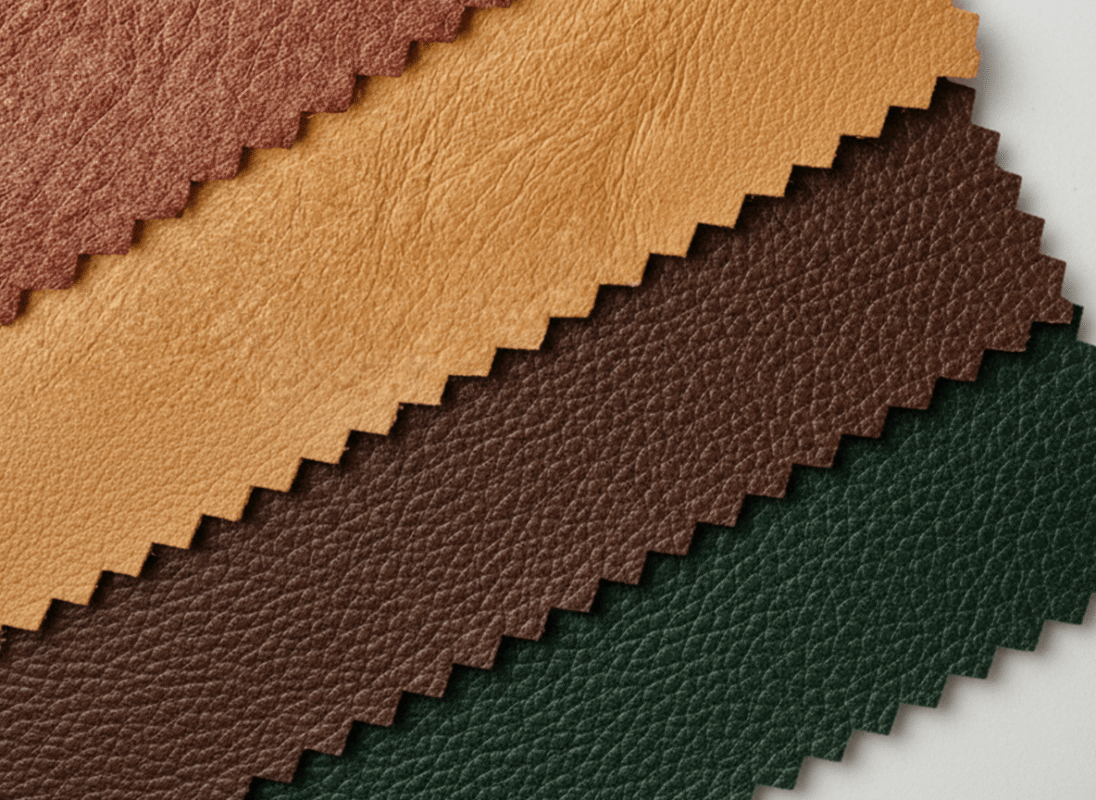
- In Design: Provides a warm, distinctive texture. Naturally waterproof, antimicrobial, lightweight, and tough—ideal for full bag bodies, panels, or leather-like accents.
2. Piñatex®
Made from fibers extracted from pineapple leaves (a byproduct of fruit harvesting).
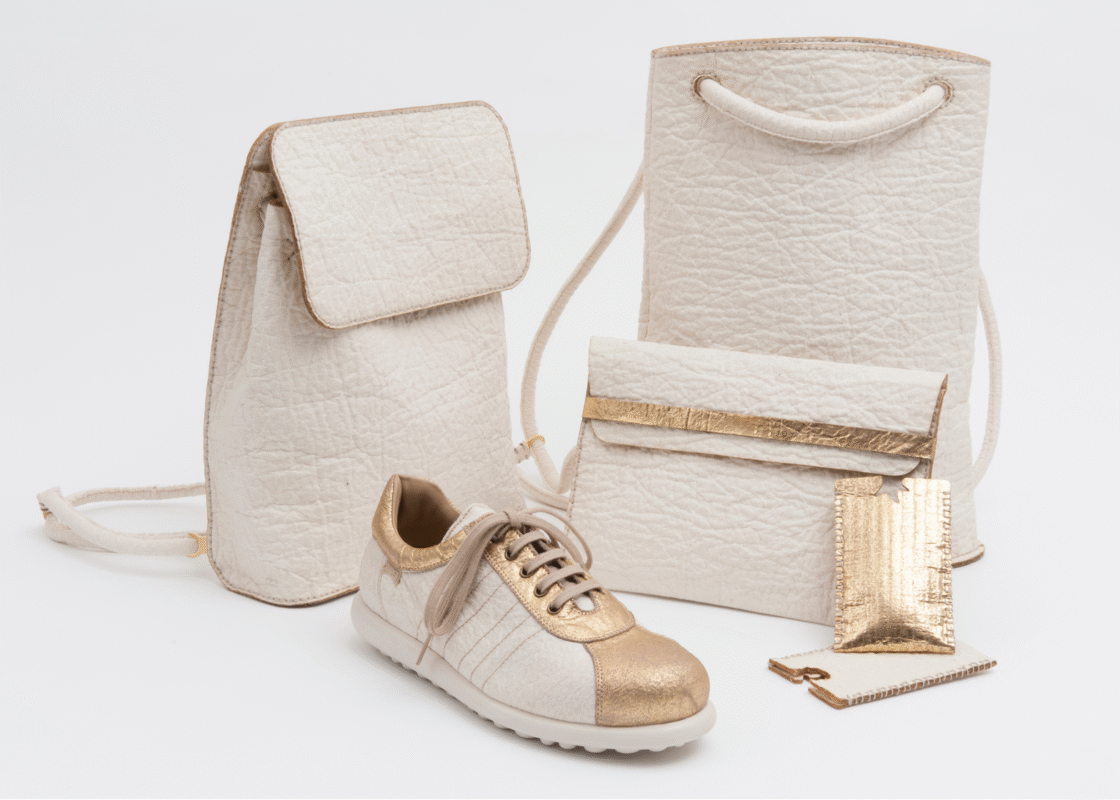
- In Design: Features a unique fibrous grain. Strong yet flexible, perfect for wallets, crossbodies, or decorative details.
3. Apple Leather, Grape Skins & Mycelium-Based Options
These turn food and agricultural waste (apple peels, grape pomace, mushroom roots) into premium fabrics.
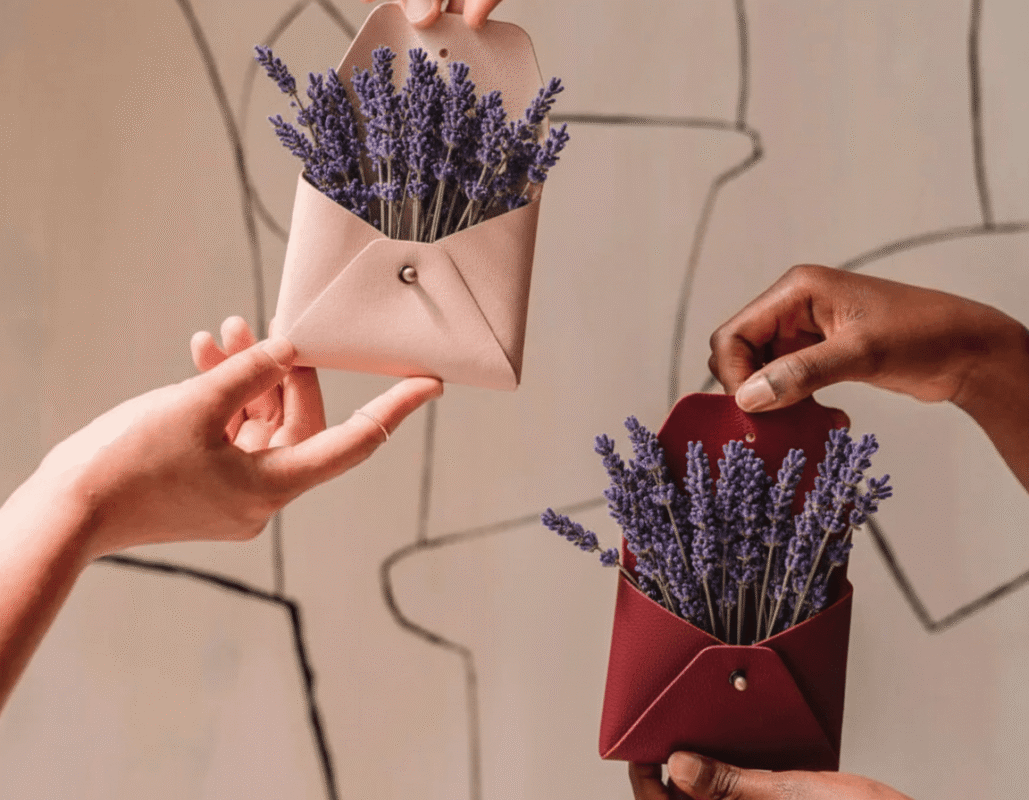
- In Design: Bound with plant-based materials for a soft, authentic leather feel. Great for structured totes and accessories.
4. Recycled Ocean Plastics & Post-Consumer Materials
Transforming discarded bottles and ocean-bound nylon into fabrics like rPET and ECONYL®.
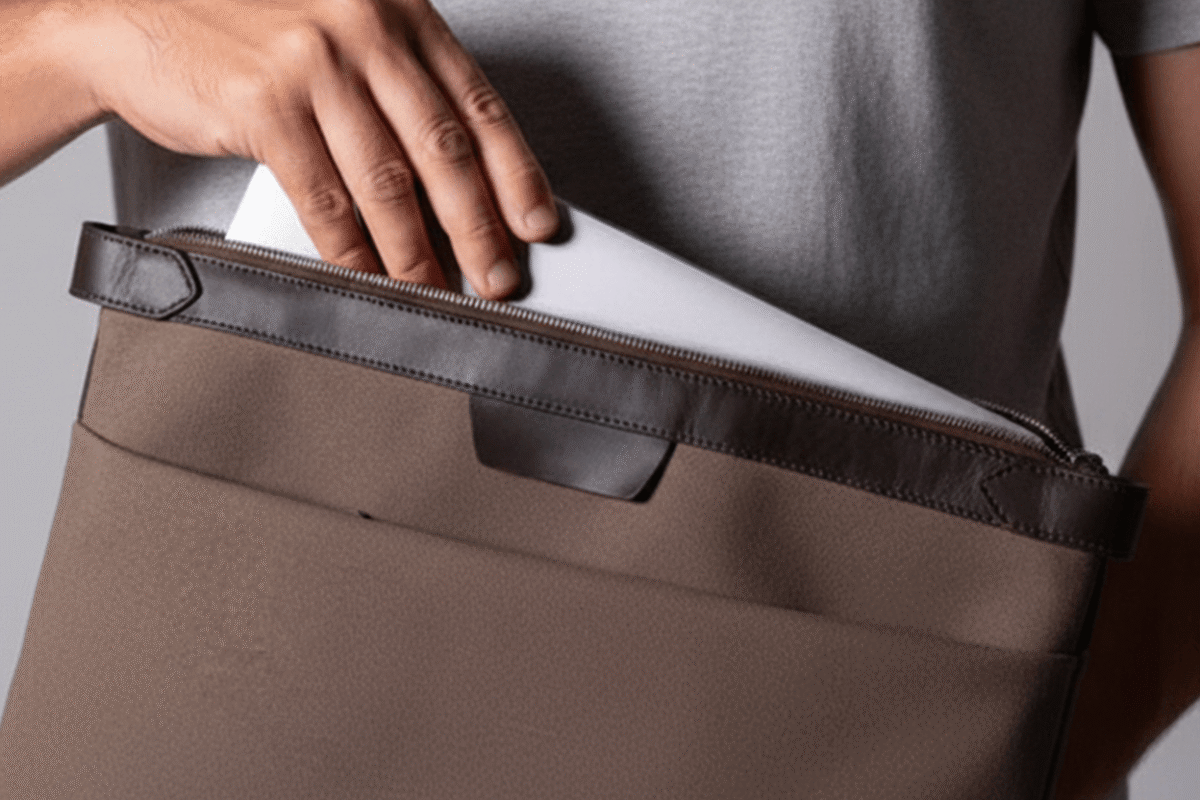
- In Design: Creates tough, water-resistant nylon for backpacks, duffels, and linings—directly tackling plastic pollution.
5. MIRUM® & Plastic-Free Composites
100% bio-based from natural rubber, plant fibers, and minerals—fully circular and compostable.
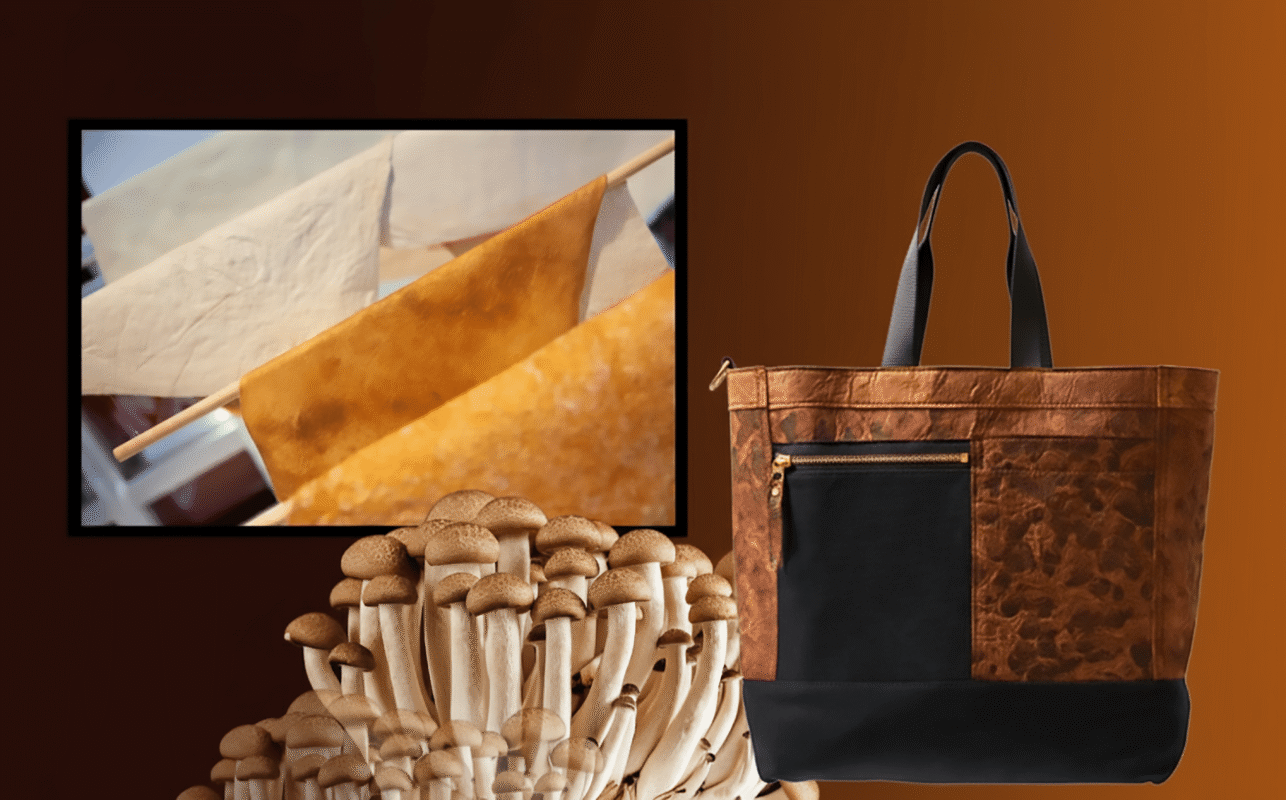
- In Design: Cutting-edge versatility, mimicking leather or textiles without any plastics.
How Designers Are Embracing the Revolution
Smart brands are integrating these thoughtfully:
- Hybrid Builds: Combining recycled nylon bodies with cork accents and Piñatex trim for rich texture variety.
- Visible Storytelling: Letting the natural grains and patterns shine, turning sustainability into a design feature.
- Circular Features: Adding modular parts and repair services to extend lifespan dramatically.
Caring for Your Sustainable Bag: Tips for Longevity
Keep these bags looking great for years:
- Cork & Plant-Based Leathers: Wipe with a damp cloth; avoid extreme heat or prolonged sun.
- Recycled Nylons: Often machine-washable (always check care labels) with mild detergent.
- Pro Tip: Store properly and clean spills quickly. Many brands offer repair kits—use them!
Material Comparison: A Quick Guide
| Material | Key Strength | Feel & Aesthetic | Longevity | Core Environmental Benefit |
|---|---|---|---|---|
| Cork | Waterproof, lightweight | Warm, natural, textured | Excellent, ages gracefully | Renewable harvest, biodegradable |
| Piñatex | Flexible, strong | Textured, fibrous grain | Good, develops a patina | Utilizes agricultural waste |
| Apple Leather | Soft, pliable | Smooth, similar to leather | Moderate to Good | Upcycles food industry byproducts |
| Recycled Nylon (ECONYL) | Highly durable, abrasion-resistant | Technical, sleek | Excellent | Diverts waste from oceans/landfills |
| MIRUM | Plastic-free, circular | Can mimic leather/textiles | Excellent (new tech) | Fully circular, compostable |
Conclusion: Your Choice Shapes the Future
Opting for bags made from these materials isn’t just practical—it’s powerful. It supports farmers, funds cleanups, and pushes the industry toward true circularity. Style, durability, and ethics can coexist beautifully. The best bag carries your essentials and reflects your commitment to a healthier planet. Which of these materials excites you most? Have you tried a cork or Piñatex bag yet? Drop your experiences in the comments—let’s inspire each other!