Bag Hardware Explained: What Makes Zippers, Buckles, and Closures Last a Lifetime

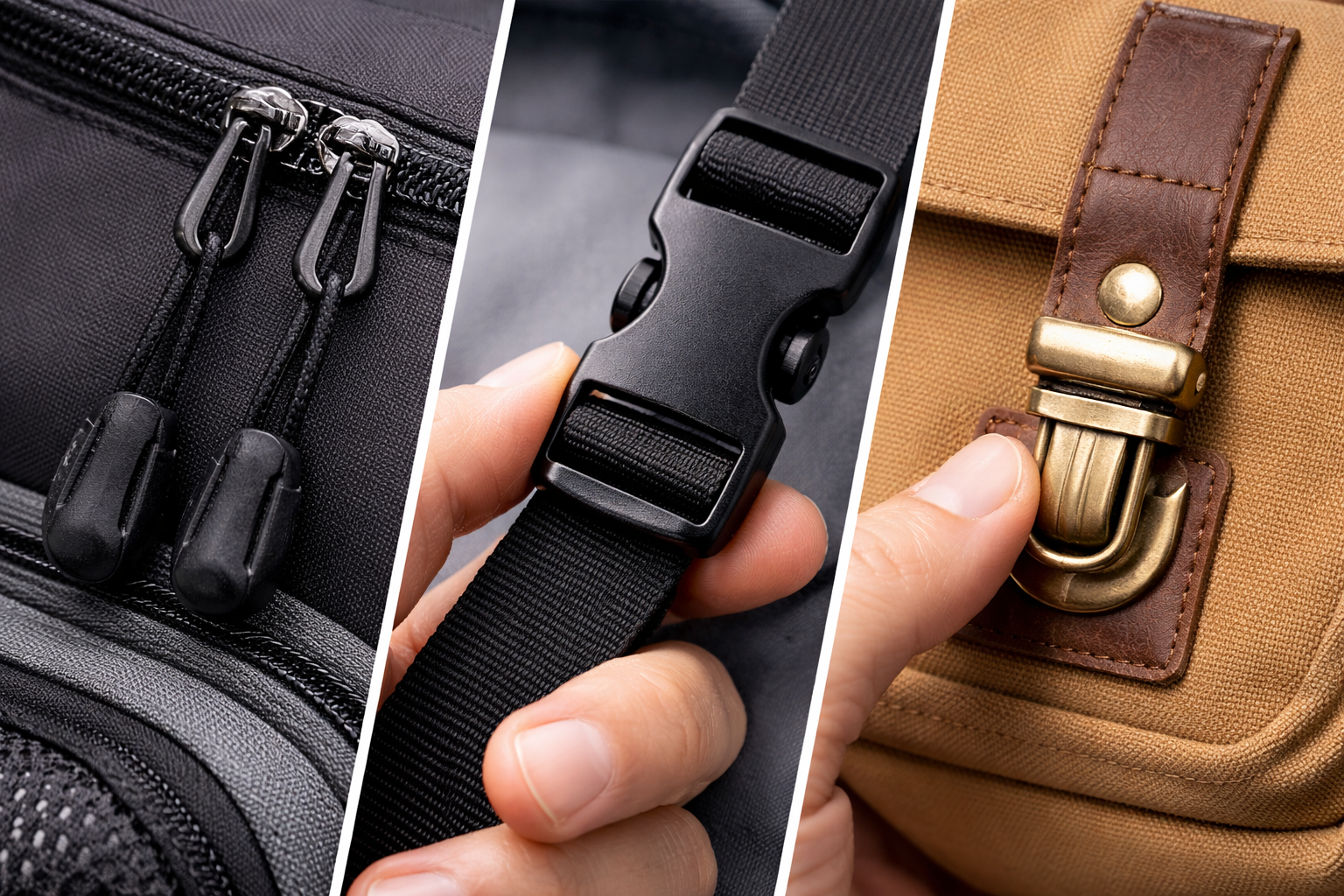
You’ve found the perfect bag: great material, stylish design, ideal size. But one hidden factor decides if it’ll last years or fail in months—the hardware. Zippers, buckles, and closures are the real workhorses, handling the most stress and daily use. From experience: I once had a favorite backpack ruined by a cheap zipper that jammed after just a few trips. Switching to one with branded YKK hardware made all the difference—it’s still going strong years later. In 2026, with focus on quality and sustainability, understanding hardware helps you choose bags that endure.
1. Zippers: The Most Critical Link
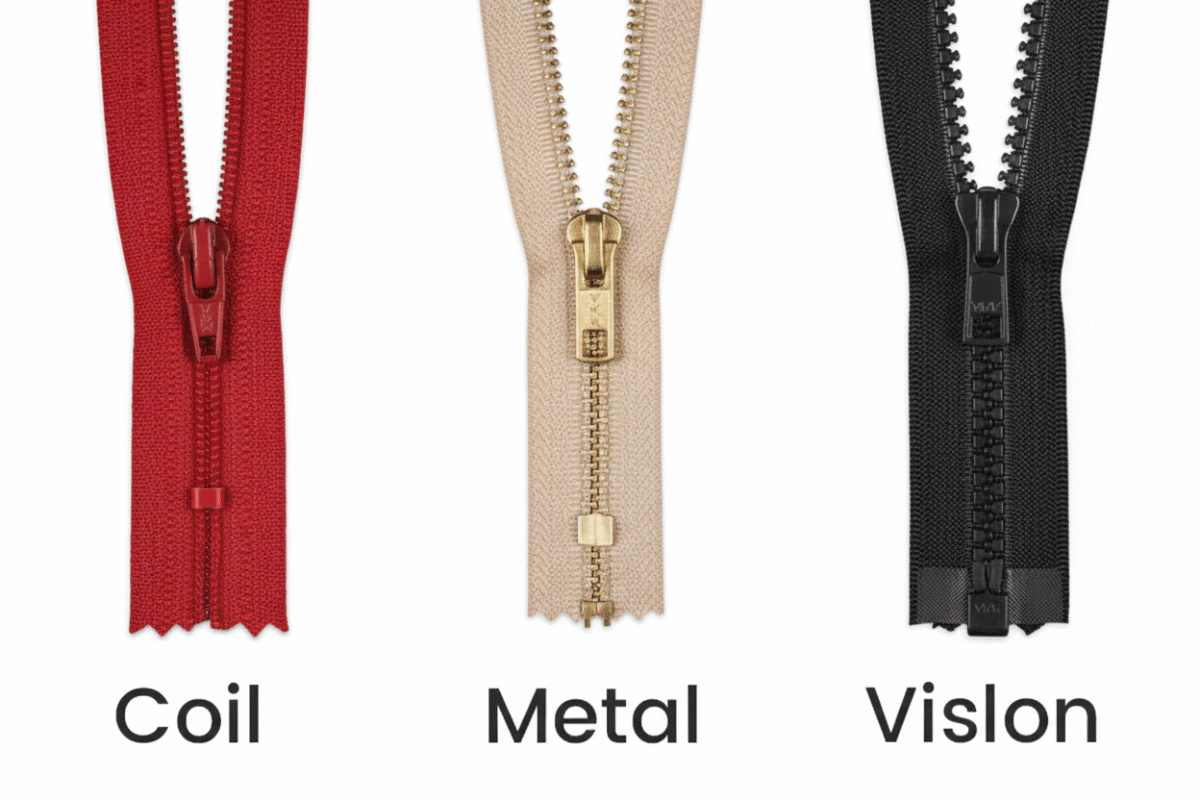
A failed zipper often renders a bag useless. The difference lies in the type, brand, and construction.
Types & Anatomy:
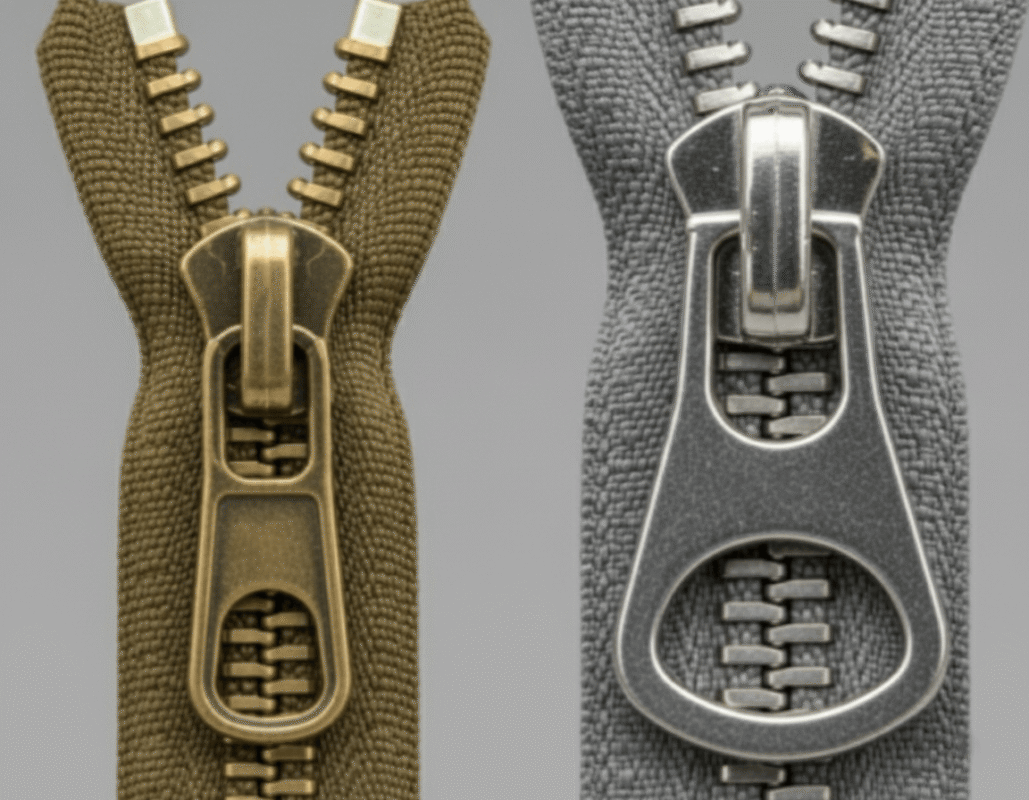
- Coil Zippers (Nylon/Polyester): Lightweight, flexible, and resistant to rust. The teeth are actually a continuous spiral. Excellent for curved pockets and lightweight packs. More prone to snagging if the coil is damaged.
- Metal Zippers (Brass, Aluminum, Nickel): Extremely durable with a classic look. Vislon/Tooth zippers (individual molded plastic teeth) are a great middle-ground for weather-sealing. Metal is heavier but excels in high-stress areas like main compartments.
The YKK Factor:
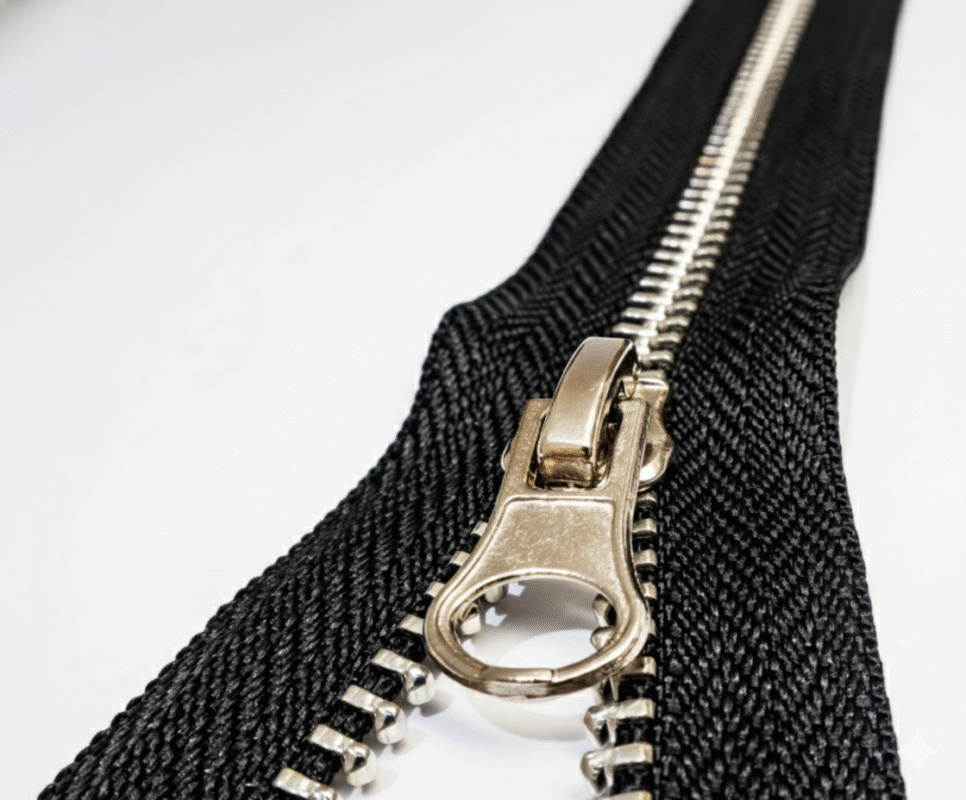
Why is this brand mentioned so often? YKK (Yoshida Kogyo Kabushiki kaisha) is the industry benchmark. They control their manufacturing from smelting to finishing, ensuring remarkable consistency in:
- Smoothness: The slider glides effortlessly without catching.
- Strength: Teeth resist splaying under strain.
- Corrosion Resistance: High-quality plating on metals.
While other quality brands exist (like Riri or Lampo), “YKK” on a pull is a reliable shorthand for durability. Generic, no-name zippers are the most common point of failure.
2. Buckles & Adjusters: The Tension Bearers
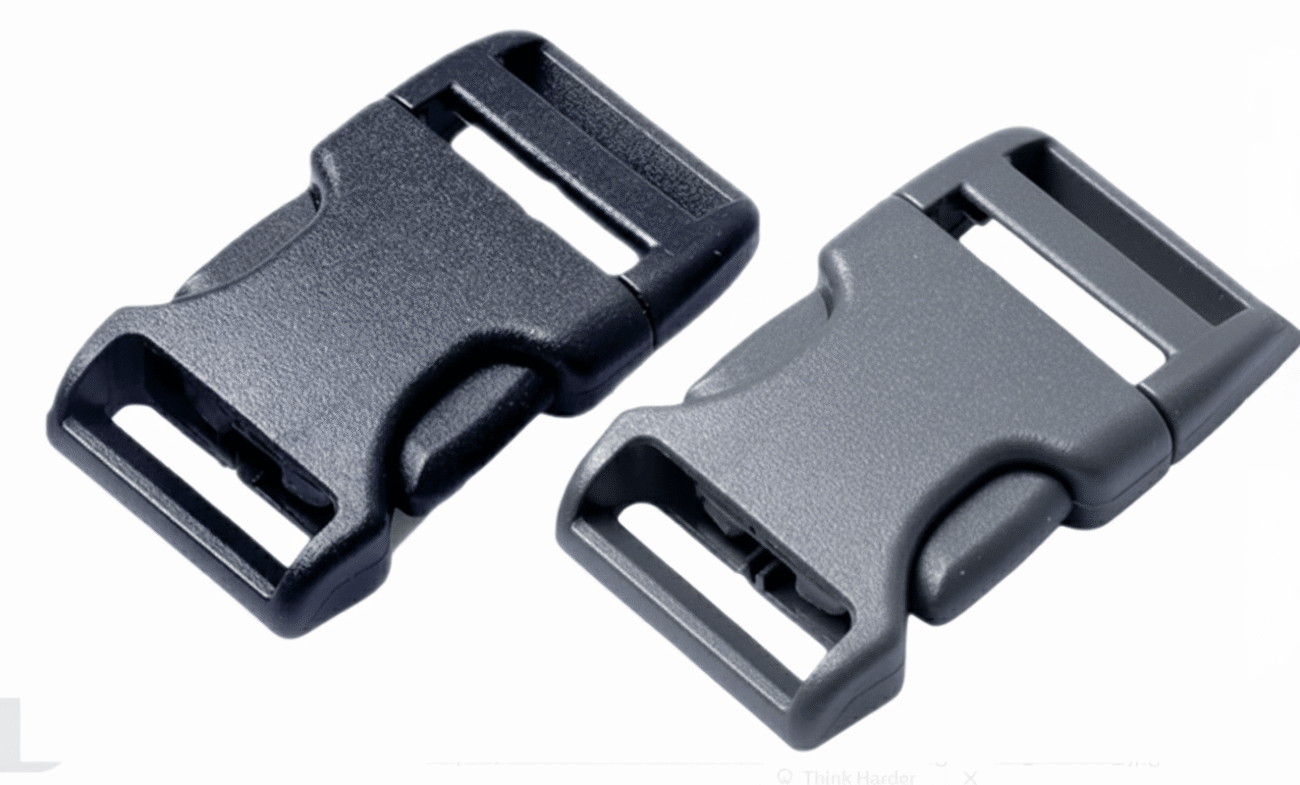
These components manage strap security and adjustment. Their failure can mean a sudden, unwelcome weight shift.
- Side-Release Buckles: Common on backpacks and sternum straps. Look for thick, flexible nylon (like Duraflex®) with a crisp, audible “click” when engaged. The spring mechanism inside should be robust.
- Ladder-Lock Buckles: Used for strap adjustment. A quality one will hold the webbing securely without slipping, even under load. Frayed webbing is often a sign of a cheap, sharp-edged buckle.
- Cam Buckles: Often seen on roll-top bags or for quick-release. A good cam buckle has a strong lever with a secure grip on the webbing.
3. Snaps, Magnets, & Hooks: The Convenience Closures
- Magnetic Snaps: Perfect for quick-access pockets. The magnet should be strong enough to stay closed during movement, but easy to open intentionally. Look for a metal-to-metal connection, not plastic-covered.
- Turn-Locks & Hooks: Often used on briefcases and luxury totes. The action should feel precise, not gritty. A hallmark of quality is a solid “thunk” or smooth rotation, not a tinny click.
How to Test Hardware In-Store (or When Shopping Online)
In Person:
- The Zipper Test: Zip and unzip rapidly several times. Listen for smoothness, not a grating sound. Gently pull the two sides of the zipper apart near the slider—teeth should not separate.
- The Buckle Stress Test: Engage the buckle and tug the strap firmly from multiple angles. It should not release or show significant flex.
- The “Feel” Test: Heft the bag by a strap attachment point (like a D-ring). Does the connection feel solid, or does it creak and strain?
Online:
- Zoom In: Use high-res photos to look for brand stamps on zippers and buckles.
- Read Specs & Descriptions: Quality brands will proudly list “YKK zippers,” “Duraflex buckles,” or “anodized aluminum hardware.”
- Watch Video Reviews: Listen for sounds of zippers and closures in unboxing videos.
Quality Indicators: How to Spot the Good Stuff
You don’t need to be an engineer. Use these sensory checks:
- Weight & Heft: Quality hardware has substance. Pick it up—it should feel dense, not hollow or flimsy.
- Finish & Edges: Surfaces should be smooth, with even plating or coating (matte, polished, PVD). Run a finger along edges; they should be deburred and rounded, not sharp.
- Operation: A zipper should glide smoothly with one hand. A buckle should engage with a positive, crisp action and not flex excessively when pulled. A snap should sound solid.
- Markings: Look for brand engravings (YKK, Duraflex, ITW Nexus) on the back of zipper sliders or buckles. This is a sign the manufacturer stands behind their component.
- Corrosion Resistance: For metal hardware, ask about or look for terms like anti-corrosive coating, anodized aluminum, or rustproof brass.
The Sustainability Angle: Hardware’s New Role
The circular design movement is now focusing on hardware:
- Recycled Content: Brands are increasingly sourcing buckles and zipper pulls made from post-consumer recycled metals.
- Modularity & Repair: High-quality, standardized hardware (like common buckle sizes) makes repairs easier. Some brands offer hardware replacement kits.
- Plastic-Free Initiatives: A move towards solid metals and bio-based polymers instead of virgin plastics for components like sliders and adjusters.
Conclusion: The Foundation of a Bag’s Lifespan
Investing in a bag with superior hardware is an investment in time, convenience, and sustainability. That robust YKK zipper, that confidently-clicking Duraflex buckle, that solidly-anchored D-ring—these are the details that prevent the frustration of a broken bag and the waste of a premature replacement. They transform a bag from a disposable item into a reliable tool.
In 2026, true quality isn’t just skin deep. It’s in the cold feel of a smooth-operating zipper pull and the satisfying click of a well-made buckle. By choosing bags that prioritize these components, you’re not just buying for today’s style, but for a decade of dependable carry. After all, the strongest bag is only as reliable as its smallest part.
Have you ever had a bag fail due to hardware, or have a brand whose hardware you swear by? Share your experiences and recommendations in the comments to help fellow readers make informed choices!